A. Mylne & Co. · Design Archive
Design No. 324
Unnamed Design
Design 324 represents a productive design from Alfred Mylne's drawing board, with at least twelve vessels built to this specification between 1929 and 2000. The design achieved sustained interest over seven decades, reflecting its practical qualities. The archive holds 37 drawings relating to this design, documenting its development and variations.
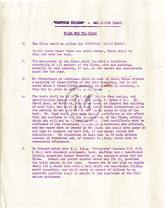
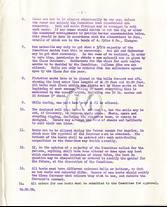
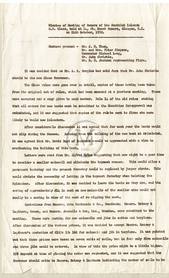
Original Drawings · 37 sheets
Misc
Misc
Misc
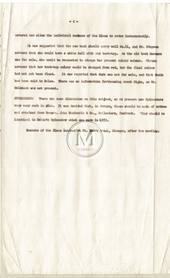
Misc
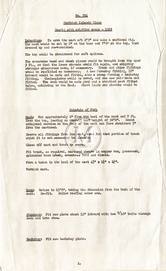
Misc
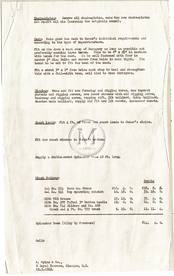
Misc
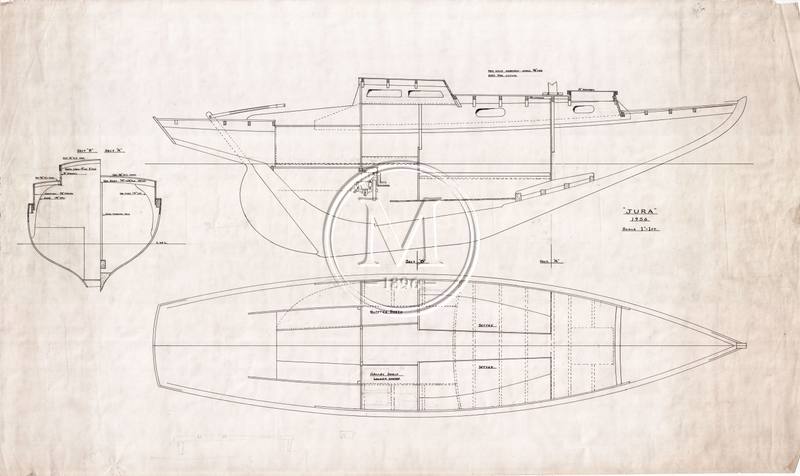
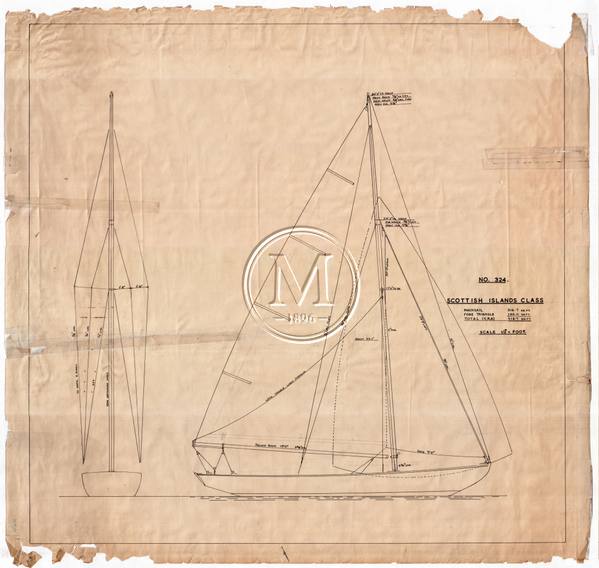
Sail Plan
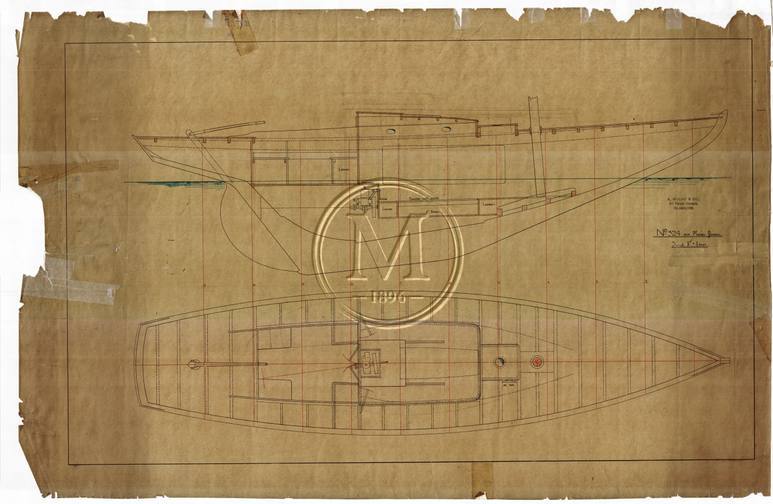
Sail Plan
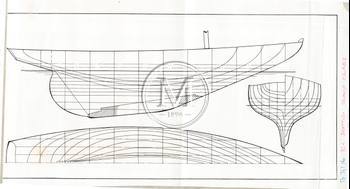
Lines Plan
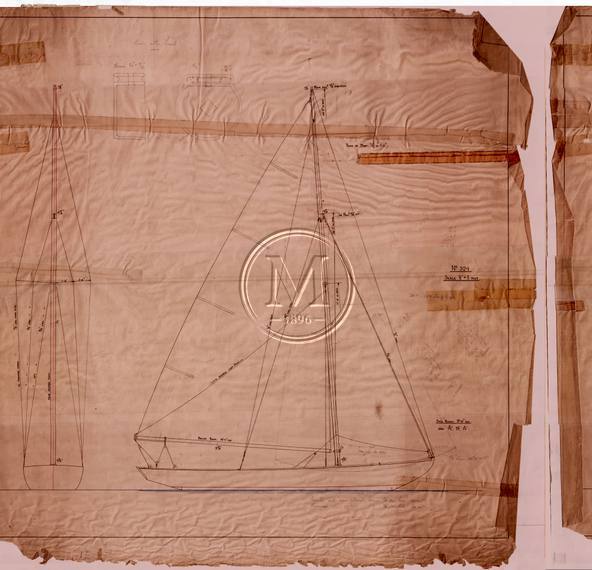
Sail Plan
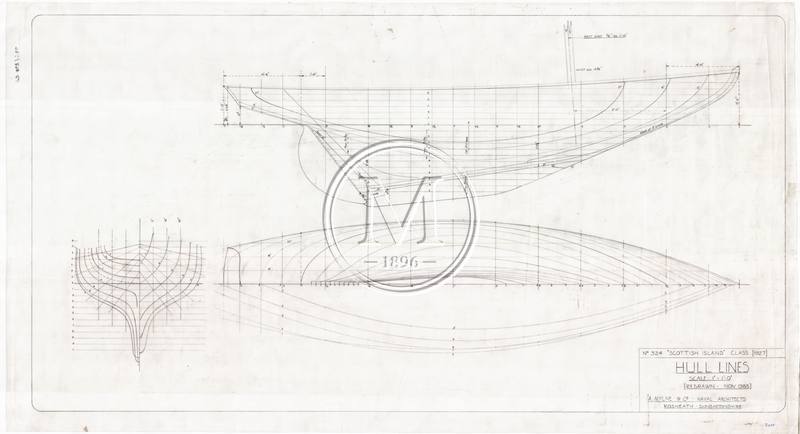
Lines Plan
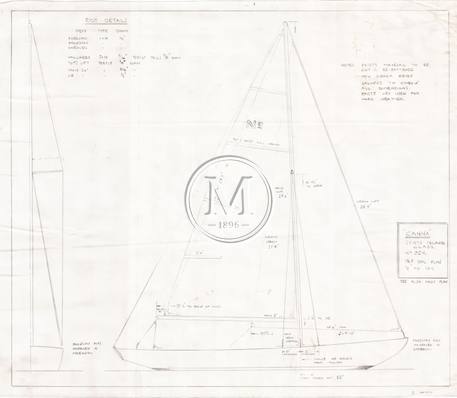
Sail Plan
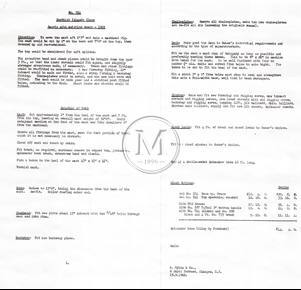
Misc
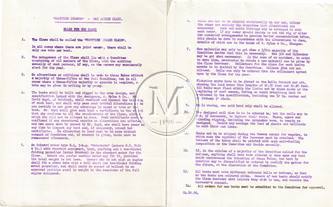
Misc
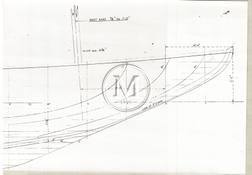
Lines Plan
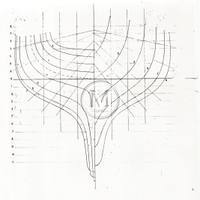
Lines Plan
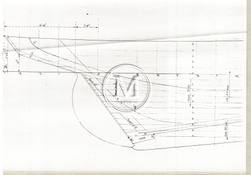
Lines Plan
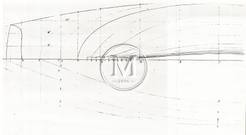
Lines Plan
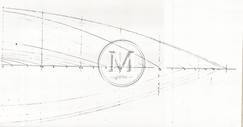
Lines Plan
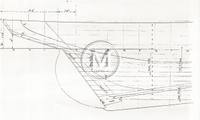
Lines Plan
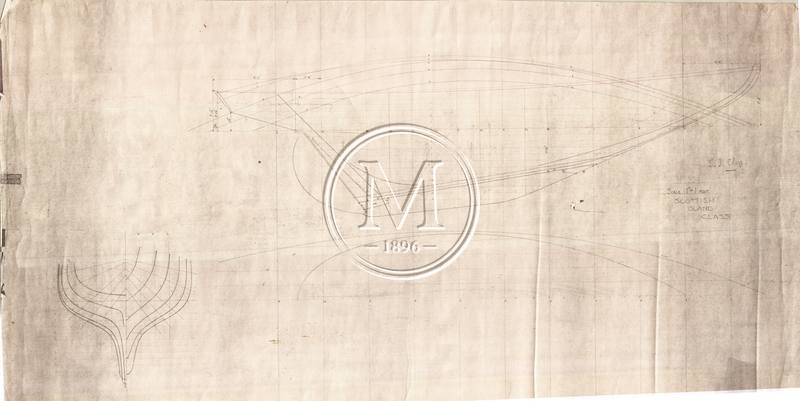
Lines Plan
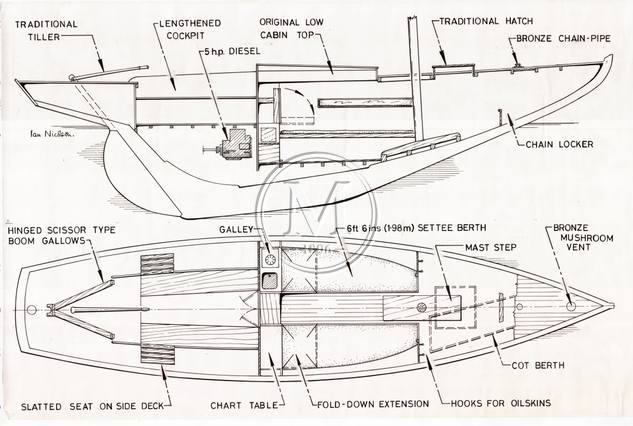
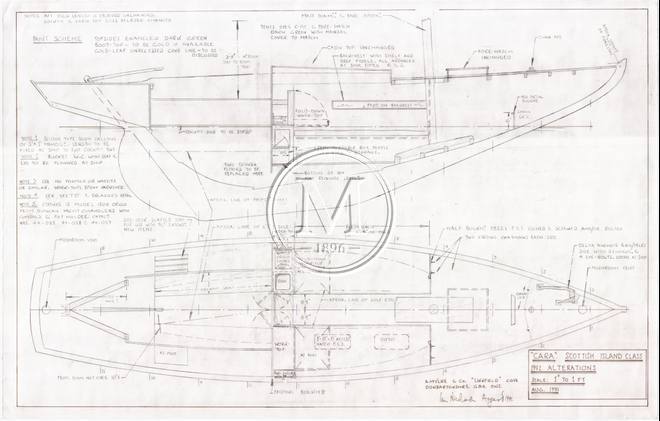
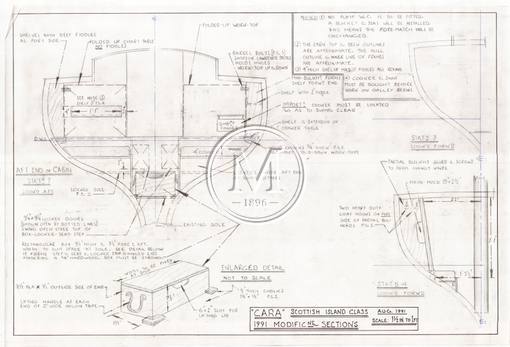
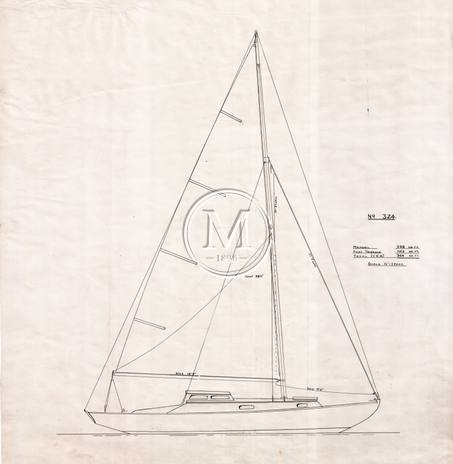
Sail Plan
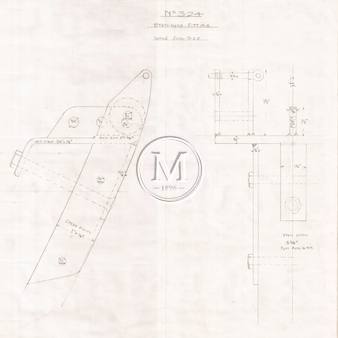
Misc
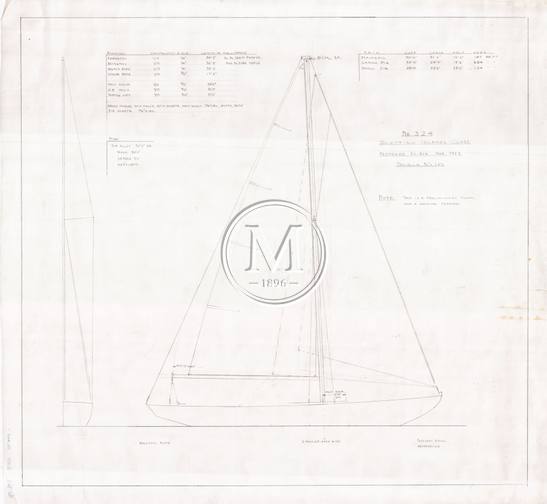
Sail Plan
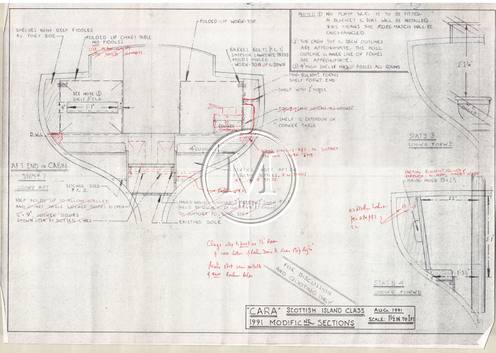
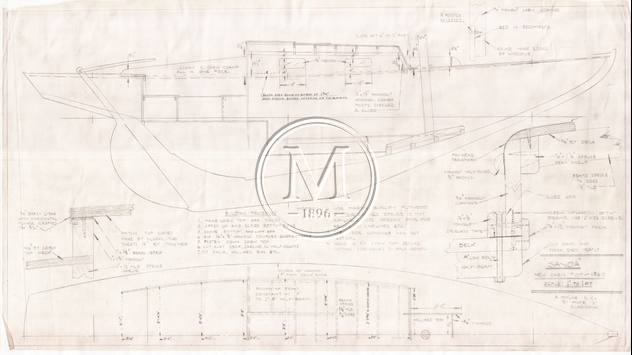
Structure
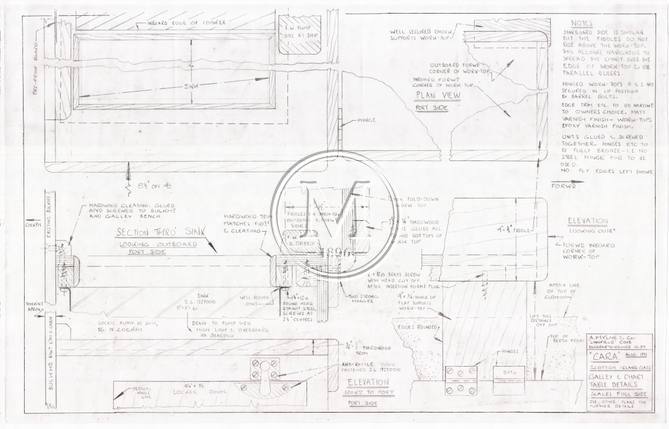
Misc
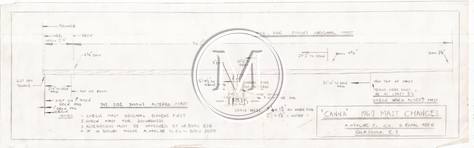
Misc
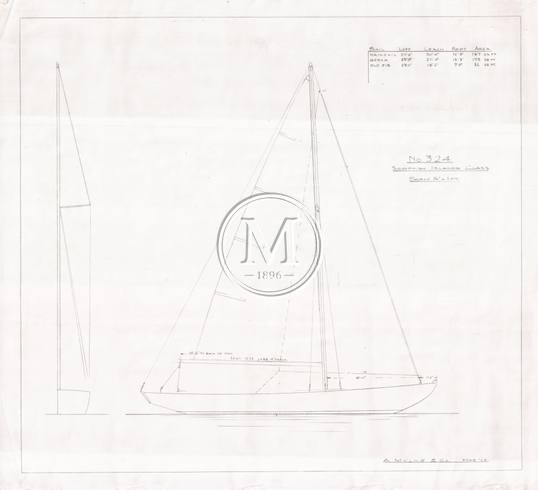
Sail Plan
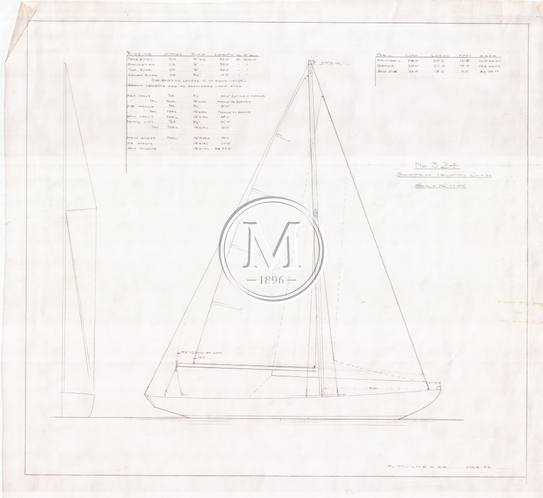
Sail Plan
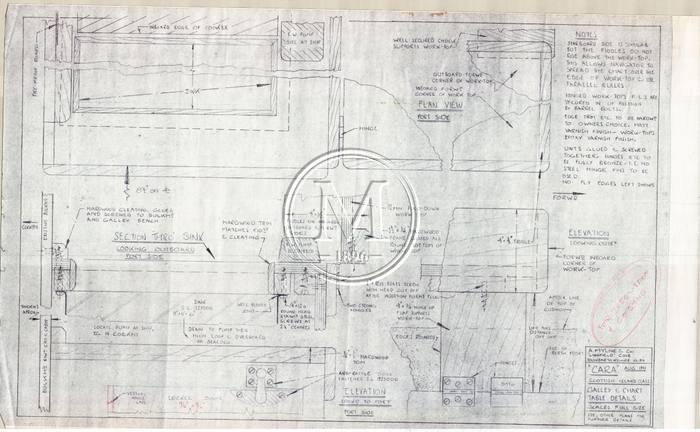
Misc
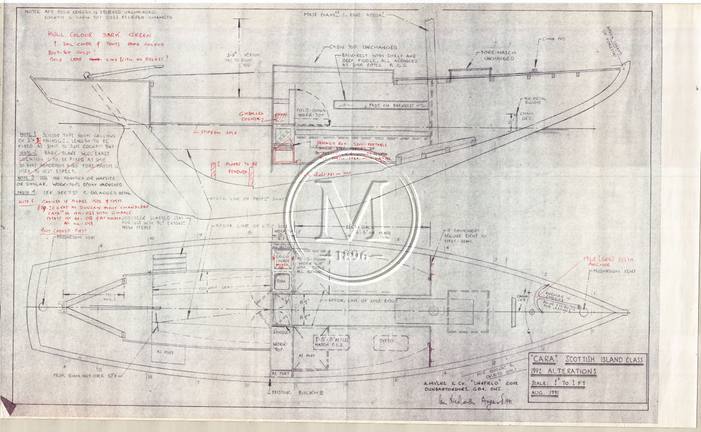
Dimensions
Notes
Similar to the Royal Bombay Class (Design No 302)
Yachts in the Register · 12
Builders · 3
McGruers, Clyde
Built Cara (1929), Sanda (1929), Bernera (1929), Stroma (1929)
McGruers [Enrichment] McGruers was a Clyde boatbuilding firm; the McGruer family operated yards at Gareloch and Clyde locations through the late 19th and early 20th centuries, building small transverse and racing yachts.
Bute Slip Dock, Bute
Built Jura (1930), Fidra (1930), Gigha (1931), Canna (1936), Isla (1958)
[AI-generated] Bute Slip Dock Co was a prestigious Scottish yacht builder acquired in 1911 by Alfred Mylne and T. C. Glen-Coats, operating from Ardmaleish Point on the Isle of Bute until voluntary liquidation in 1975. The yard specialised in quality yacht construction including Six Metre racing class vessels. After closure the site was redeveloped into Ardmaleish Boatbuilding Company Ltd, which continues to operate today providing marine services, repairs, and new construction. [Enrichment] Bute Slip Dock was a boatyard on the Isle of Bute that operated through the mid-20th century. The yard was sold in 1975 and became the Ardmaleish Boatyard, continuing boatbuilding and repair work on the Clyde.
Built Shona of Ashton (2000)
jamesfranklinpierce.weebly.com
RFH Pierce & Associates [Enrichment] RFH Pierce & Associates were UK-based yacht designers and surveyors; details of any building activity are pending research.
Historical Context
The concentration of five vessels in 1929 suggests Design 324 met a particular market demand during the inter-war period. The subsequent steady construction through the 1930s indicates the design's acceptance by yacht owners and builders. The twenty-seven year interval between Gigha (1931) and Canna (1936) warrants note, though the reasons remain unclear from available records. The later construction of Isla in 1958 demonstrates the design's enduring relevance in post-war yacht building. The final recorded build, Shona of Ashton in 2000, places this design among Mylne's longest-lived specifications, spanning seven decades of actual construction.
A. Mylne & Co. · www.mylne.com/design-archive/designs/324-unnamed/