Design No. 379
Thendara
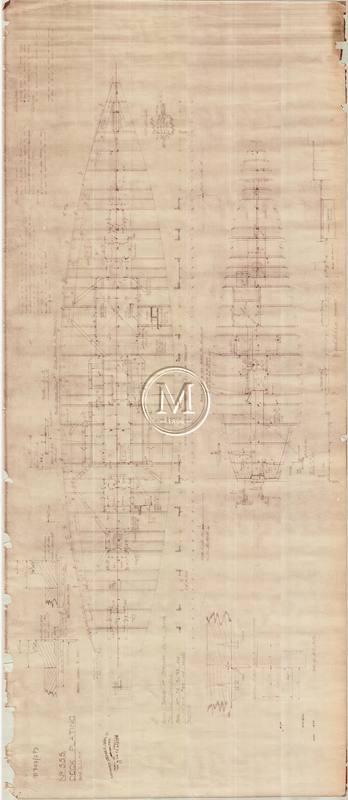
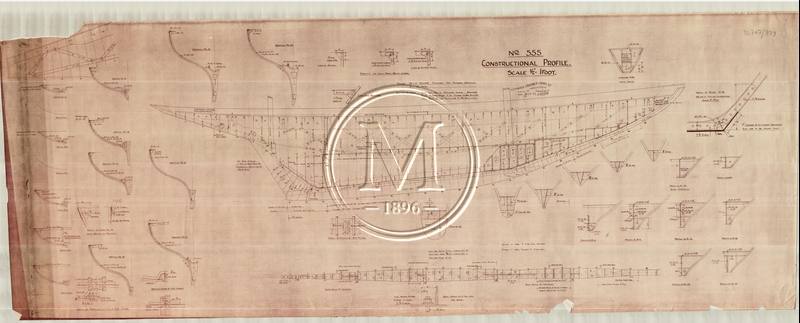
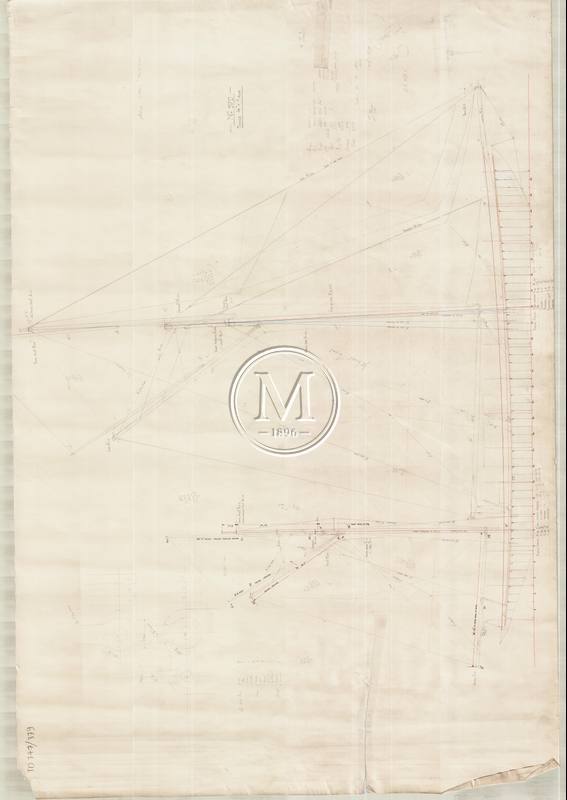
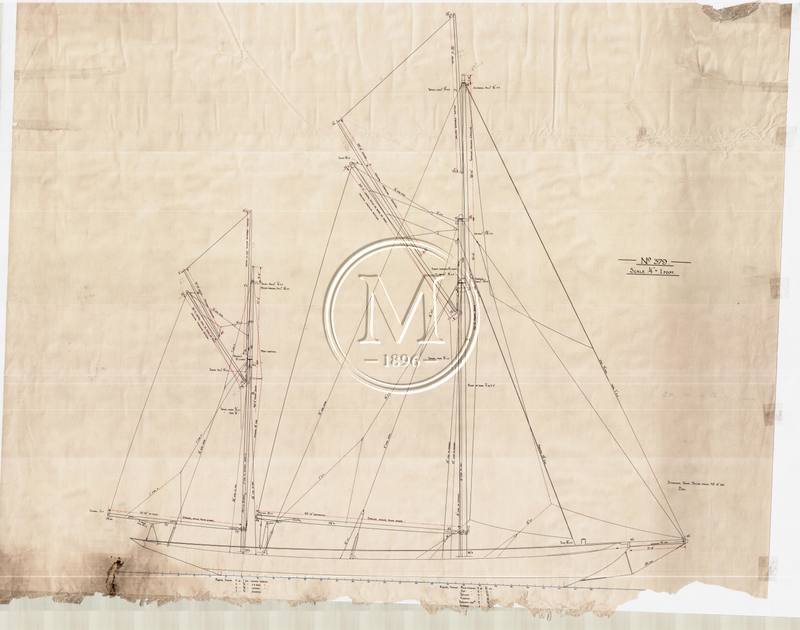
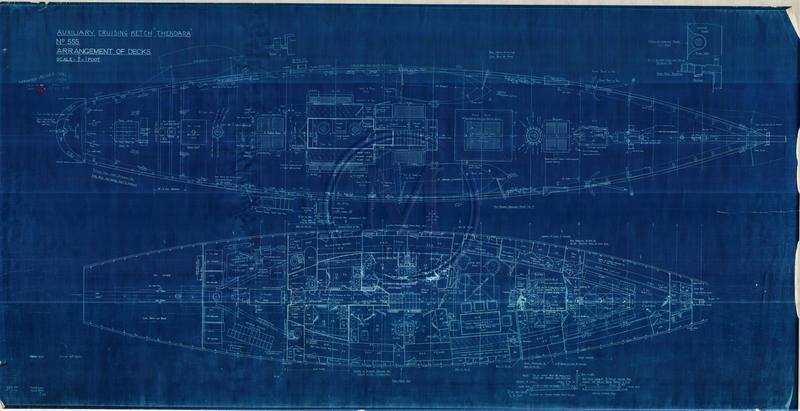
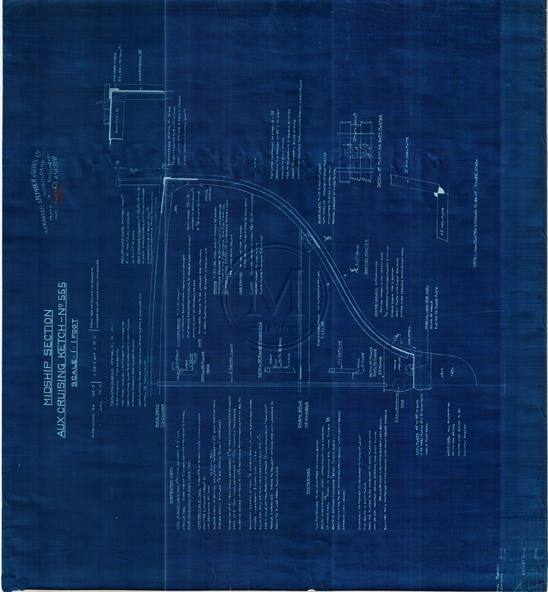
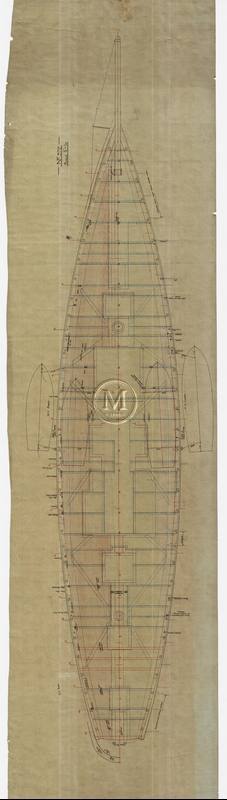
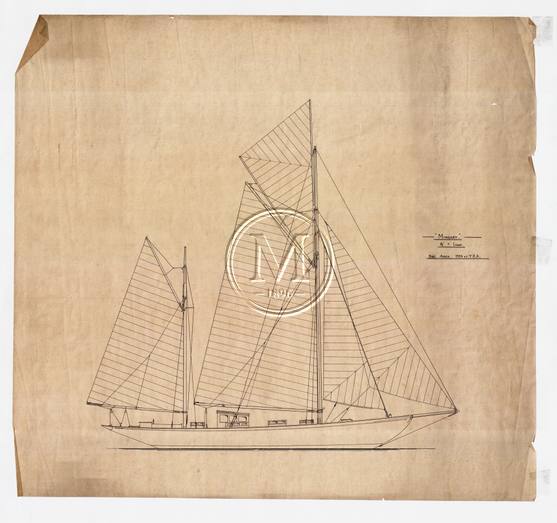
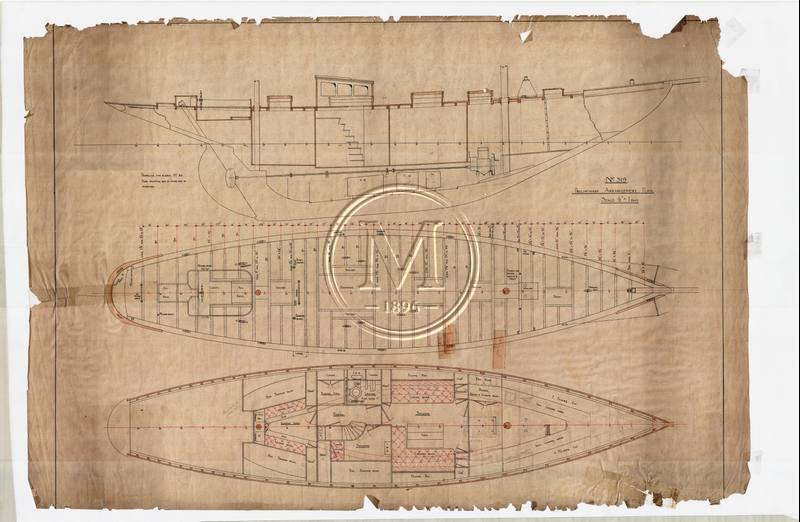
Design 379 represents Alfred Mylne's work in the auxiliary ketch class. The design was realised in the yacht Thendara, built in 1936. The archive holds 31 drawings for this design, providing substantial documentation of Mylne's conception and detailing for the vessel. While certain specifications remain incomplete in the current record, the design and its execution merit examination within the context of 1930s yacht design practice.
Original Drawings · 31 sheets
Structure
Structure
Sail Plan
Structure
Structure
Misc
Misc
Misc
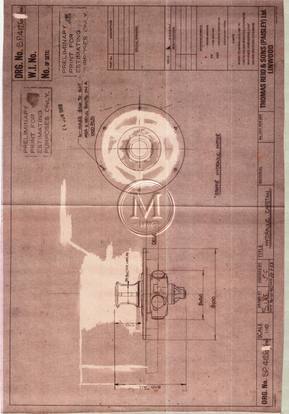
Misc
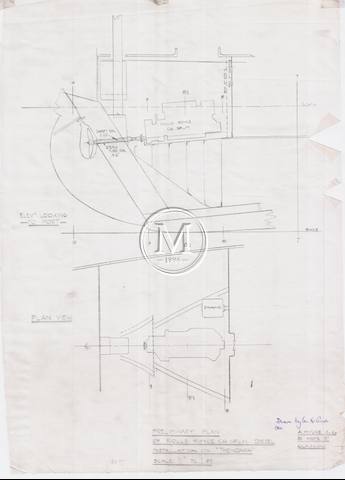
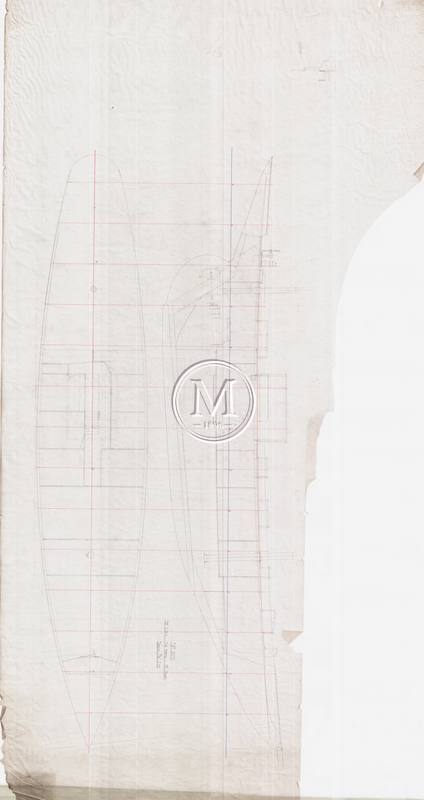
Lines Plan
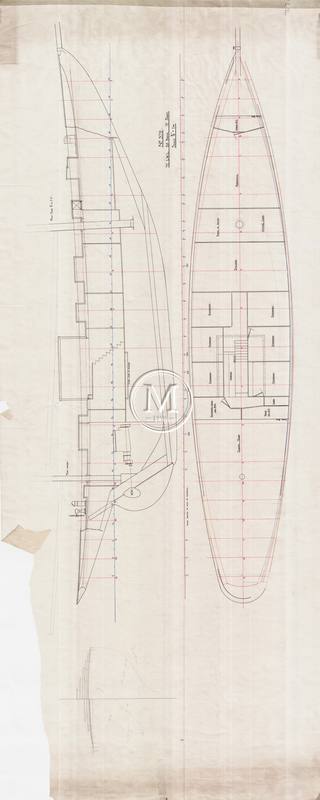
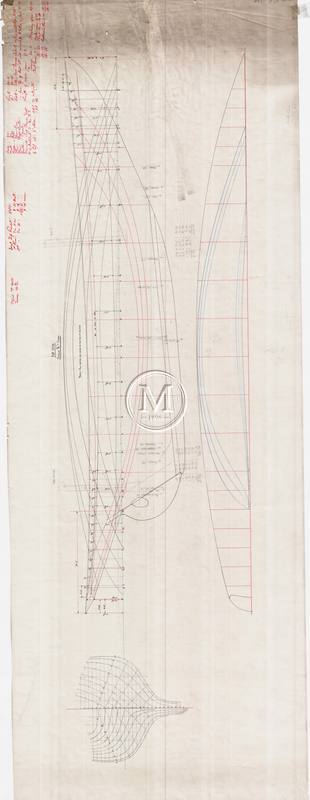
Lines Plan
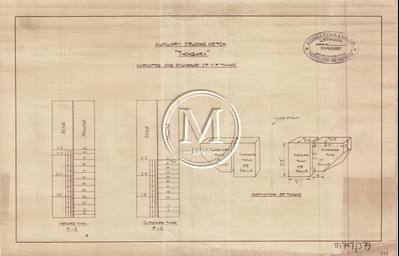
Misc
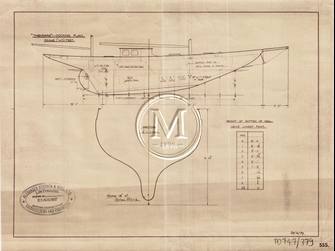
Lines Plan
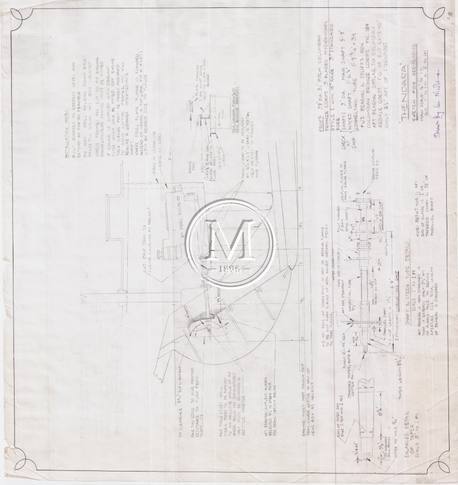
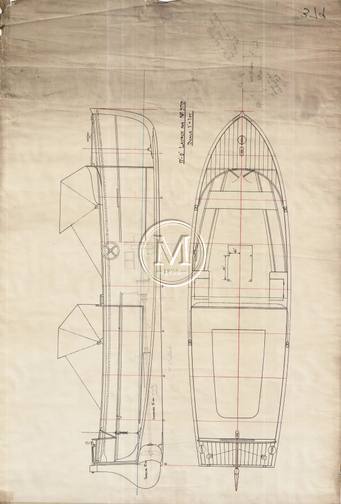
Lines Plan
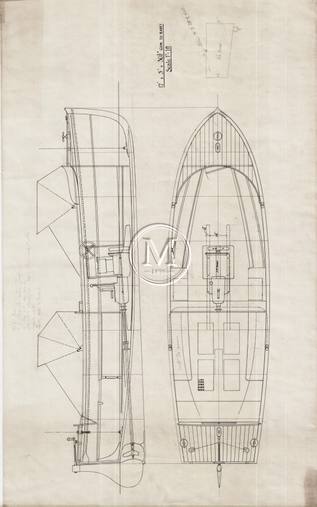
Lines Plan
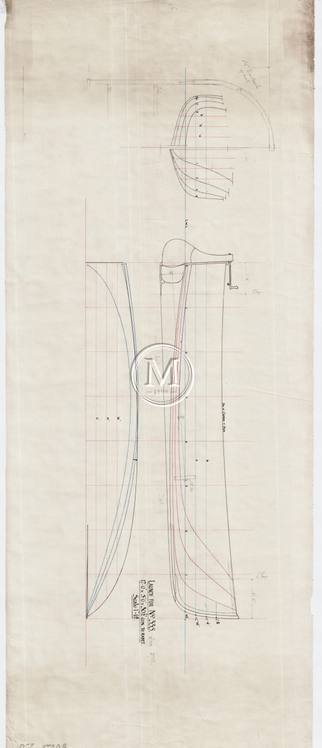
Lines Plan
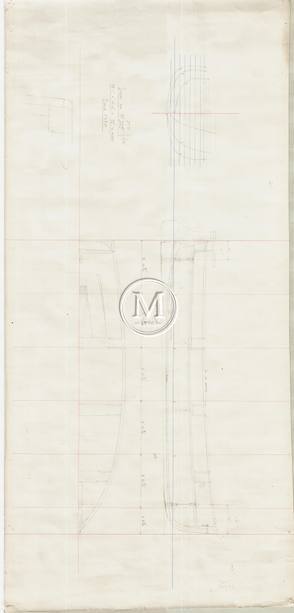
Lines Plan
Lines Plan
Lines Plan
Lines Plan
Lines Plan
Lines Plan
Lines Plan
Lines Plan
Dimensions
Notes
Built under yard No 555 by Stephens & Sons Shipyard at Linthouse, Glasgow for Lord Arthur Young one of Scotland leading yachtsmen. She was the last yacht built by this shipyard in 1937. Launched under the name THENDARA. Tonnage: 87 gross, 49 net, displacement 140 tons. Dim. 37.00 x 23.16 x 6.09m., draught 3.95m. Designed by Alfred Mylne. Built of teak on a steel frames. Ketch rigged. She was the last big cruise yacht built prior to the Second World War. Her first skipper was Capt. Alan McMillan. She took part in the Torbay Coronation Regatta, where she obtained her first success in the over 75 ton class, and the overall prize. Over the next three years she took part in several races, and made cruises mostly in the Baltic. A very frequent guest was Prince Olaf of Norway. When World War II broke out she was requisitioned by the British Navy from September 1940 till September 1945, in use as a BBV (barrage balloon vessel) in the Clyde. She was handed back to the owner and was fitted out again as a yacht by her owner. She took part in minor regattas, the time of the big yachts was gone after World War II. When Lord Young died in 1950 on board at Benoder, England, the THENDARA was put up for sale. First she was sold to an Australian person, who used the yacht in the Greek Archipelago, at that time she was rigged as a Bermuda Ketch. Thereafter she appears in Italy, she was on the shipyard of Cantiere Navale Valdettaro at La Spezia, registered under a new owner from 1986 till 1988. Most probably the new owner tried to repair her. 1991 After a change of ownership she was brought to Southampton Yacht Service at Southampton, but a deal to restore her fell trough. Yacht broker Mike Horsley brought the yacht to the attention of a European industrialist, and he got the money to restore her to her old glory. Her old engine was replaced by a Volvo diesel 238hp, speed under engine 9 knots. Sail area 924 square meters. She has now 3 cabins for guests and carried a crew of 7, which are berthed in 3 cabins. 1994 Re-launched, hereafter she cruised widely and she took part in classis yacht races. She took part in many races around the world. She still carries the name THENDARA,.
Yachts in the Register · 1
Historical Context
The 1930s represented a transitional period in yacht design. Auxiliary power was becoming increasingly common as diesel engines became more reliable and economical. The ketch configuration—with mizzen mast forward of the rudder head—offered handling advantages over cutters and split the sail plan into more manageable sections. Mylne, working from his Glasgow office, was at this period producing designs across multiple classes and sizes, responding to a clientele that valued seagoing capability alongside comfort. The year 1936 places Thendara in the latter part of the interwar period, a time when private yacht building continued despite economic uncertainties elsewhere.