Design No. 390
Mariella
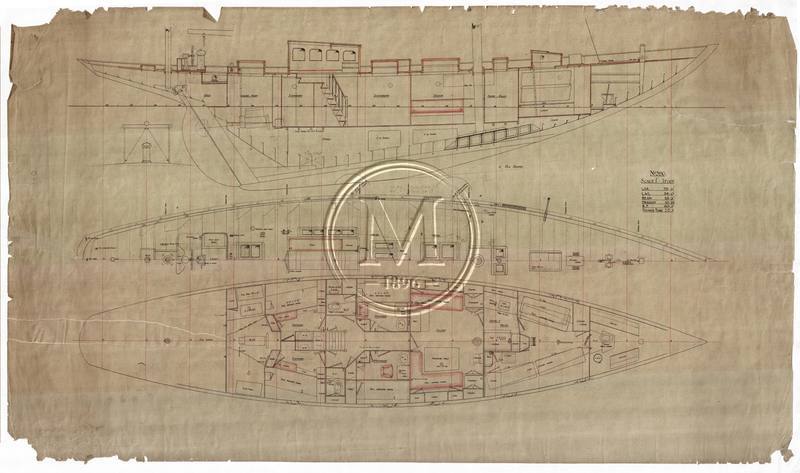
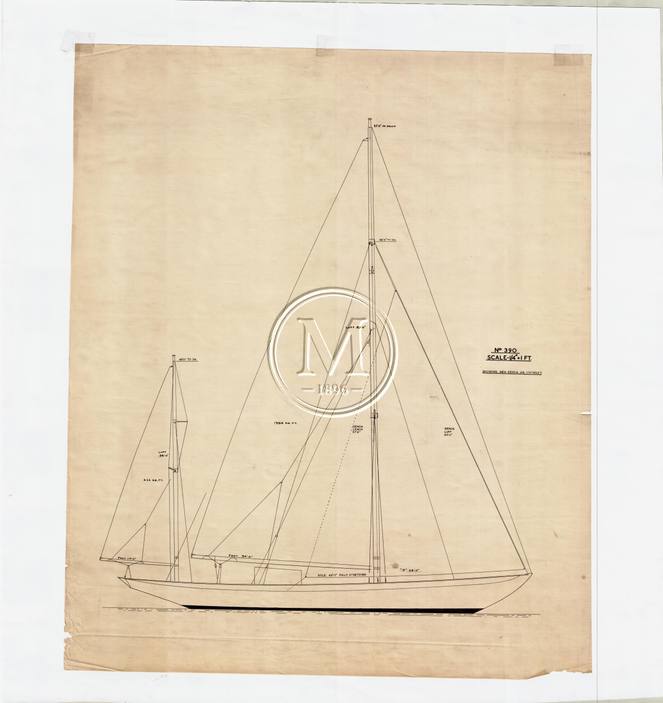
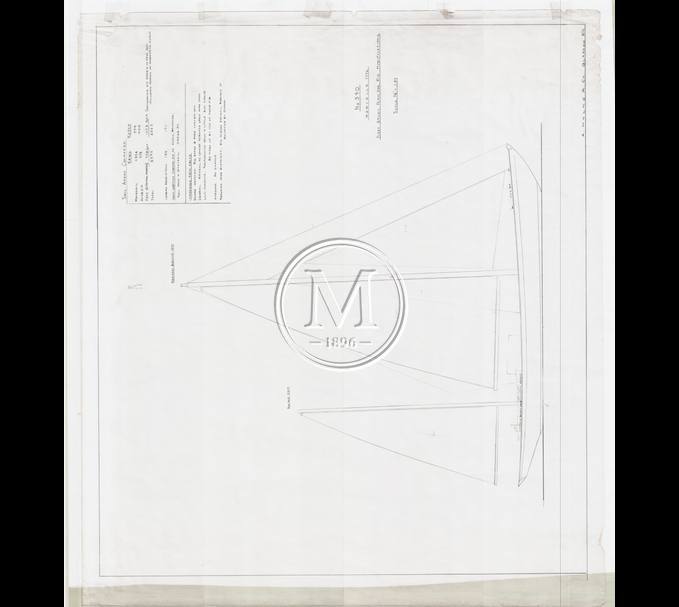
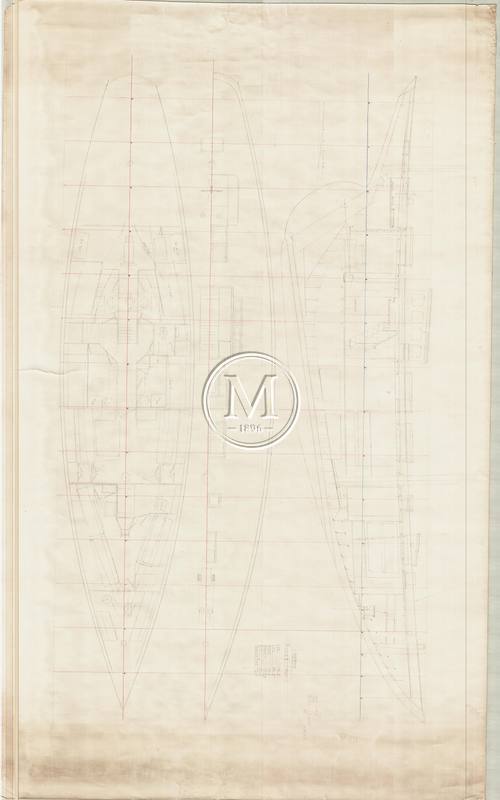
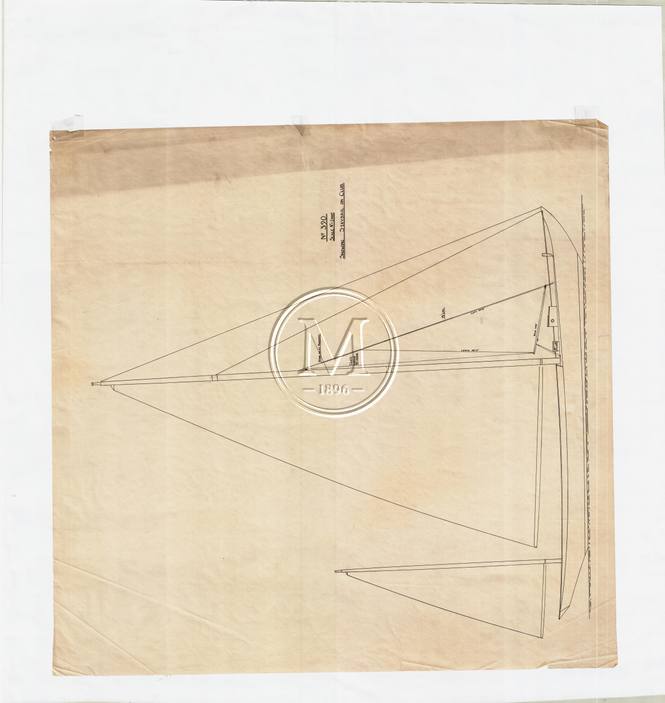
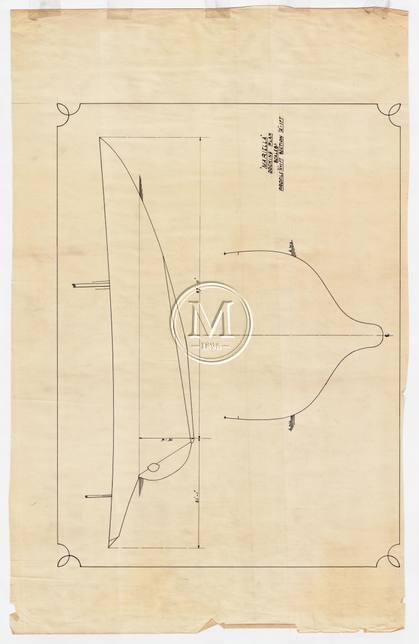
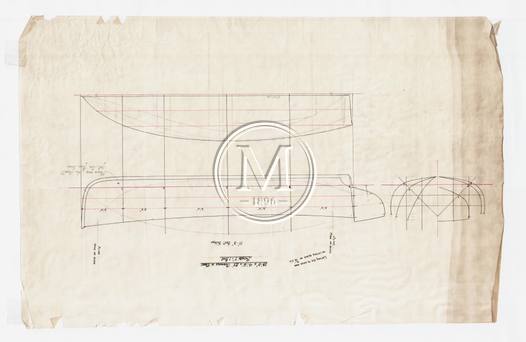
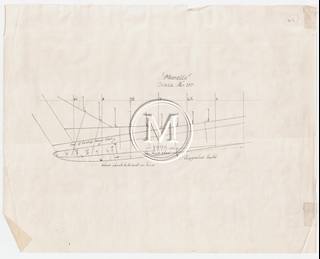
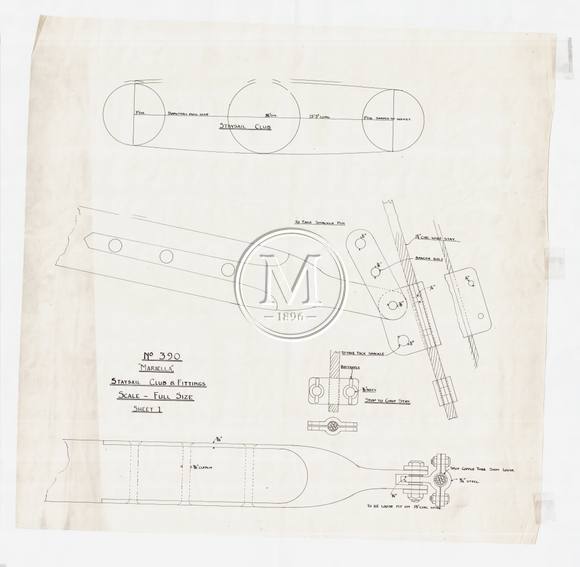
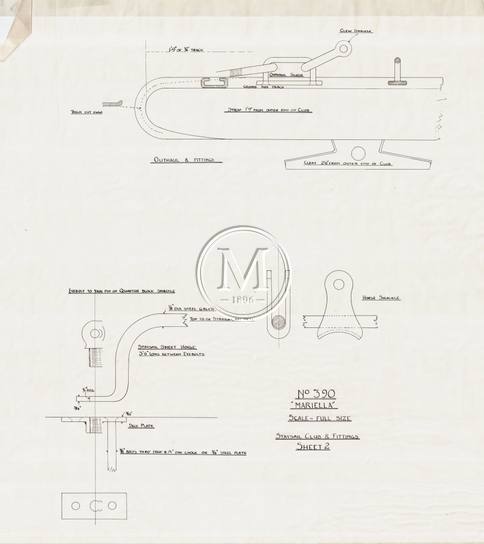
Design 390 represents Alfred Mylne's work as a yacht designer during the interwar period. The design was realised in the auxiliary yawl Mariella, completed in 1938. The archive holds 14 drawings related to this design, providing documentary evidence of Mylne's design practice and the specifications developed for this vessel class during that era.
Original Drawings · 14 sheets
Purchase high-res drawings
Dimensions
Notes
MARIELLA sailing yacht- In 1937 James D. Paterson, had amassed a great fortune as a coffee merchant in the city of Glasgow. As was the style at that time he decided he would have a racing yacht built. This racing yacht was to be the fastest, most well-built yacht that money could buy. At that time many of the most famous yacht designers and builders were based on the river Clyde. Paterson decided that his yacht was to be designed by Alfred Mylne, but built by William Fife III at his yard in Fairlie. This is comparable to going to Mercedes, and ordering their finest top of the range car, but then specifying that you wanted a Ferrari engine! The result of this "Budget unlimited" design and build process is MARIELLA. Shortly after commissioning, Paterson sold MARIELLA to Ronald Teacher, of the Teacher whisky fame, but he was only able to race MARIELLA for a short while as the clouds of war had gathered over Europe, and in 1939 the British Admiralty requisitioned MARIELLA to act as a coastal patrol boat. At this time many yachts were sent off on war service, sailing yachts were particularly useful for their ability to sail close in to enemy shores to drop off and pick up agents on dangerous clandestine missions, a wooden hull also offered a degree of safety from magnetic mines. In 1946 after peace returned to Europe, the admiralty went through their slow process of returning yachts to their pre-war owners. As one might imagine war service was hard on a thoroughbred racing yacht, as she had been adapted for living aboard for extended periods on patrol, this gave Teacher the opportunity to refit MARIELLA to cruise as well as race. Over the next 32 years of ownership Teacher sailed and raced MARIELLA all round the world. She competed in races such as the Fastnet in the 1950s and completed several circumnavigations. In the 1970s MARIELLA left the Clyde for the Mediterranean passing through three changes of ownership before coming into the custodianship of the Californian Vincent Domenica. Initially he raced MARIELLA in the classic circuit around the south of France and Italy, but before long Domenica was off on a east-about circumnavigation. After a full refit in the renowned McMullen and Wing yard in New Zealand, MARIELLA was back racing again, participating with not a small modicum of success in the King's Cup in Thailand, Singapore to Bali race, and the schooner cup in Sydney. MARIELLA arrived in the Caribbean, passing to her current owner in 1993 and has been actively cruised and raced since. She has completed two more circumnavigations and competed in the classic regattas on both sides of the Atlantic. In 2005 MARIELLA competed in the Transatlantic Challenge race from New York to Cowes. Sailing Yacht MARELLA has won the Antigua Classics, St Barths Bucket, Nioulargue, and indeed most of the classic events are marked in her list of honors.
Yachts in the Register · 1
Historical Context
Alfred Mylne's design career spanned several decades during which the auxiliary yawl remained a favoured type among yacht owners. The 1930s, when Mariella was built, represented a transitional period in yacht design as designers increasingly incorporated auxiliary engines into sailing vessels. This shift reflected both technological advancement and changing ownership expectations, with many yacht owners valuing the security of mechanical propulsion alongside traditional sailing qualities. The auxiliary yawl configuration, with its two-masted fore-and-aft rig, offered practical advantages for ocean cruising and extended voyages. The design tradition within which Mylne worked drew upon established principles of yacht design whilst responding to contemporary requirements and available construction methods.