Zoraya
Zoraya was a 30-foot racing yacht designed by A. Mylne & Co. in 1905 and built by Andrews Shipyard in Ontario for the Royal Canadian Yacht Club. Constructed in pitch pine and mahogany with oak frames and steel banding, she measured 30 ft on the waterline and displaced 9.5 tons. Originally commissioned as a challenger for the Canada Cup, Zoraya subsequently demonstrated her merit when she defeated the Herreshoff-designed defender for the Fisher Cup on 11 August 1906. The yacht is no longer in existence.
Specification
Details
History & Notes
"Zoraya" was commissioned by the Royal Canadian Yacht Club in 1905 as a challenger for the Canada Cup, in a closely fought race against the Rochester Yacht Club. Competing in the 30ft class, she carried an easily handled rig with self tacking foresail, and a spinnaker for downwind performance. Poorly handled, she was not selected to compete for the cup, but later showed her true potential when she beat the successful Herreshoff defender for the Fisher Cup on 11th August 1906. Click on the image below to download a short brochure Specification Name Zoraya Design No 116 Builder TBD Year 1905 Length Overall 52 ft / 15.9 m Length on Deck 47 ft / 14.4 m Length Waterline 30 ft / 9.1 m Beam 10 ft / 3.1 m Draft 6.8 ft / 2.1 m Displacement 9.5 Tons Construction Pitch Pine & Mahogany / Oak Frames with steel banding Engine None (optional electric) Download the Flyer
Design Archive
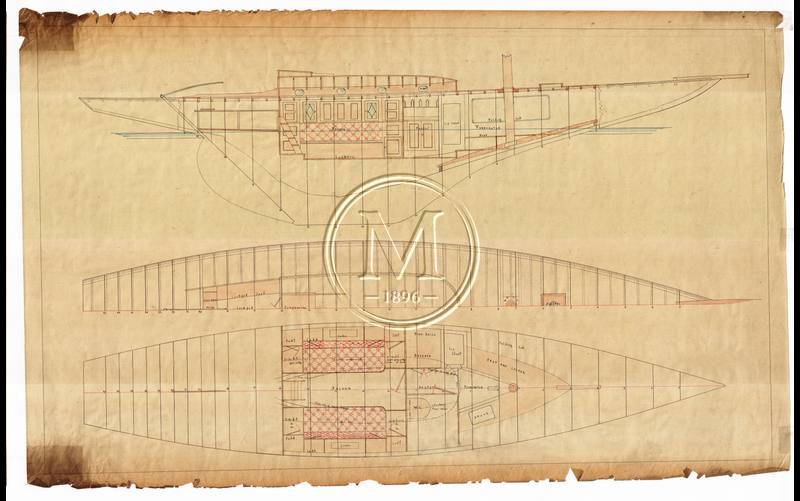
Design No. 116
Zoraya
Designed 1905
Historical Context
Design 116 falls within A. Mylne & Co.'s period of international recognition during the early 20th century. The firm, based in Glasgow, established a reputation across the Atlantic for designing competitive racing yachts suited to North American conditions and racing rules. The Canada Cup challenge context reflects the importance of cup racing to yacht club prestige in this era. Mylne's approach to the 30-foot class—with practical sail handling and measured performance—placed his work alongside American designers such as Herreshoff in the competitive environment of 1905–1906. That a Mylne design subsequently defeated a Herreshoff yacht, even in a secondary event, contributed to the firm's standing amongst Canadian yacht clubs during the Edwardian period. This design represents the firm's engagement with colonial and dominion clientele during its formative decades.
Ownership
No ownership records held for this vessel.
Crew
No crew records yet. If you’ve sailed on this yacht, claim your place in her history.