A. Mylne & Co. · Design Archive
Design No. 177
Jeano
Design 177 represents an auxiliary cutter configuration within Alfred Mylne's extensive design portfolio. Originally designated Jeano, this design exists in the archive through 40 drawings. The design belongs to Mylne's period of active yacht design practice, during which he produced numerous vessels combining sailing capability with auxiliary power. Documentation for this particular design remains incomplete in the accessible archive records.
Original Drawings · 40 sheets
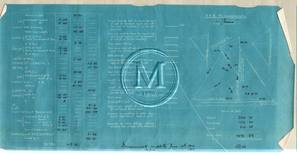
Misc
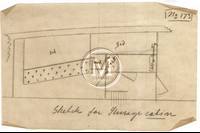
Misc
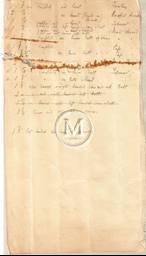
Misc
Misc
Misc
Misc
Misc
Misc
Misc
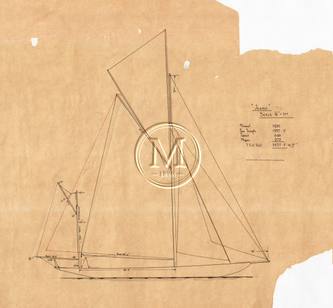
Sail Plan
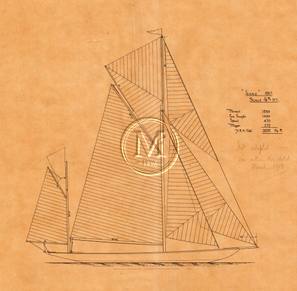
Sail Plan
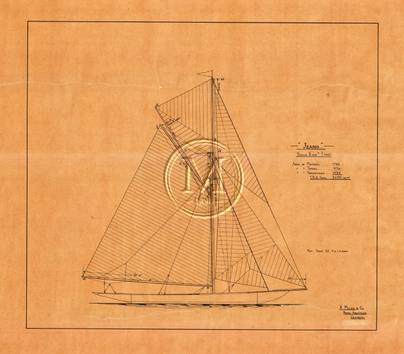
Sail Plan
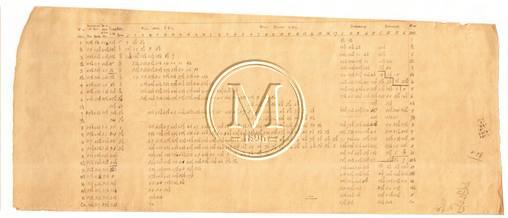
Misc
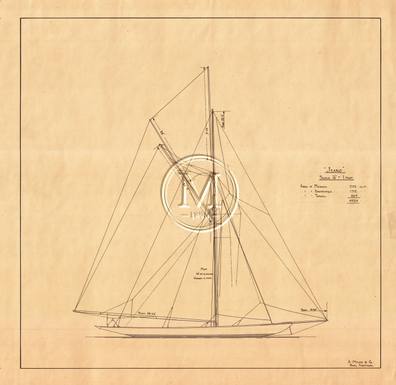
Sail Plan
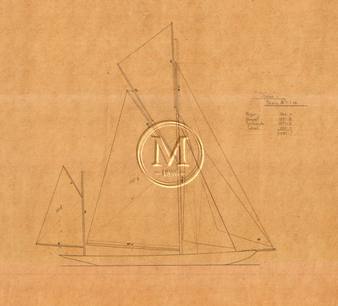
Sail Plan
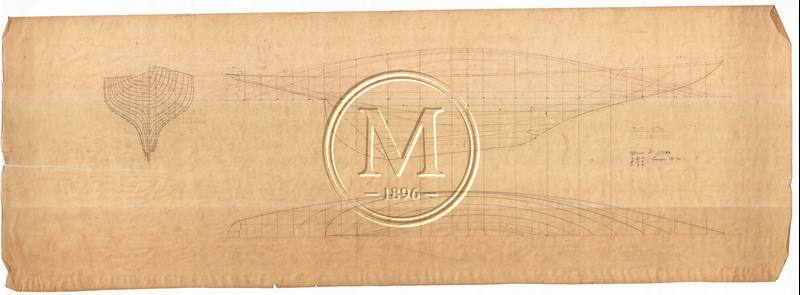
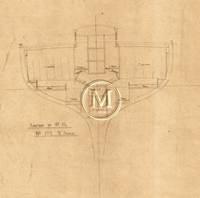
Lines Plan
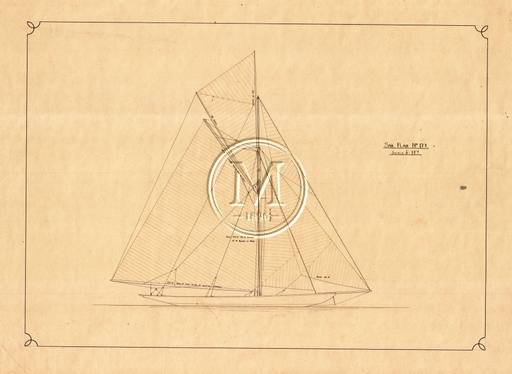
Sail Plan
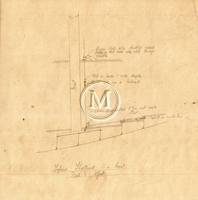
Misc
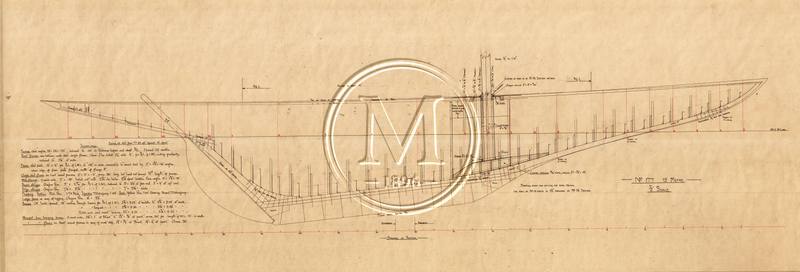
Structure
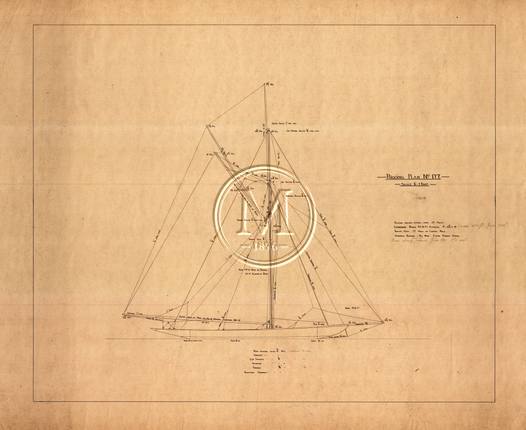
Misc
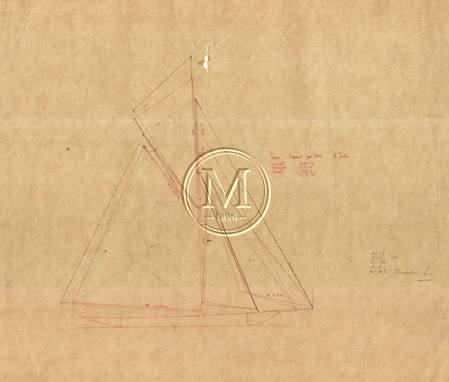
Sail Plan
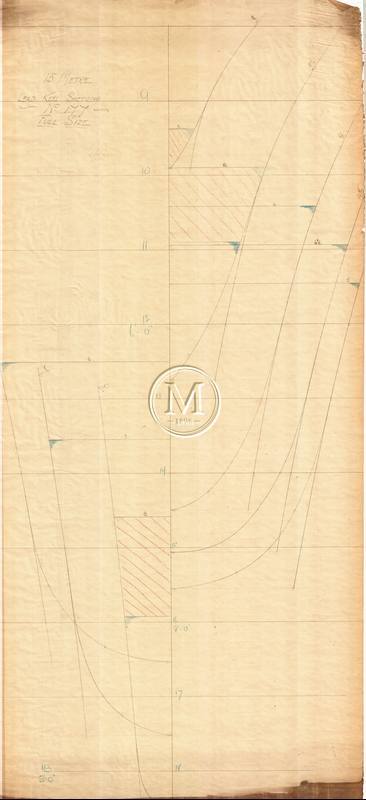
Lines Plan
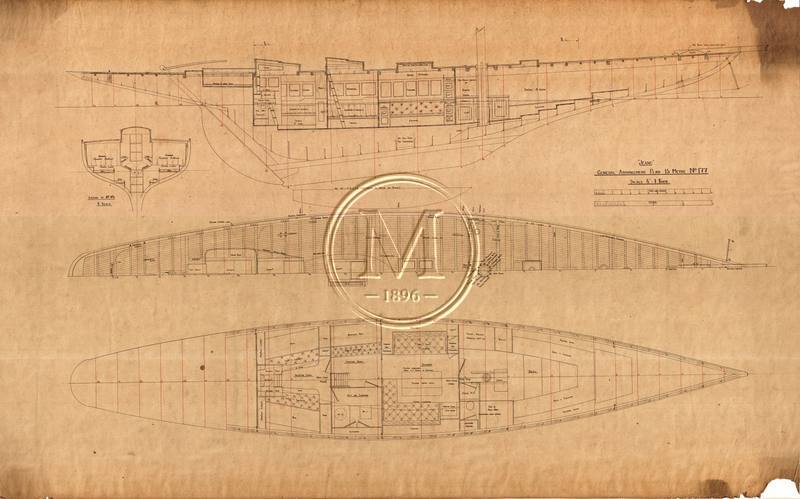
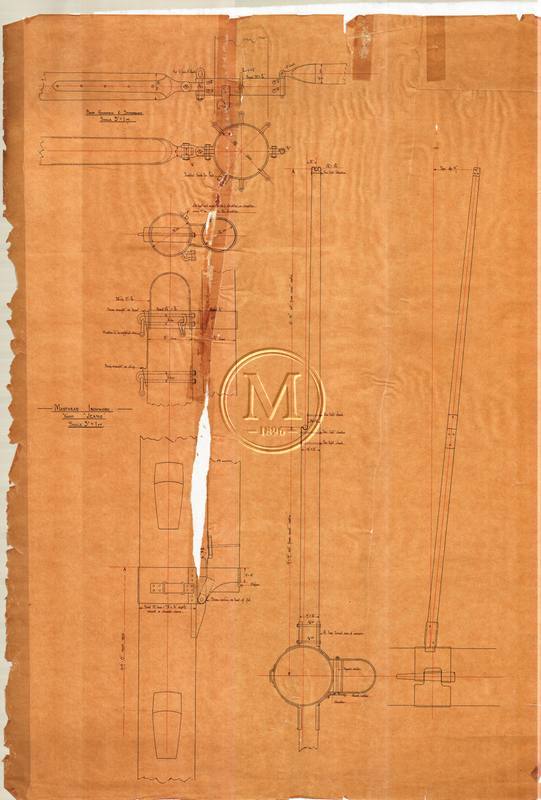
Misc
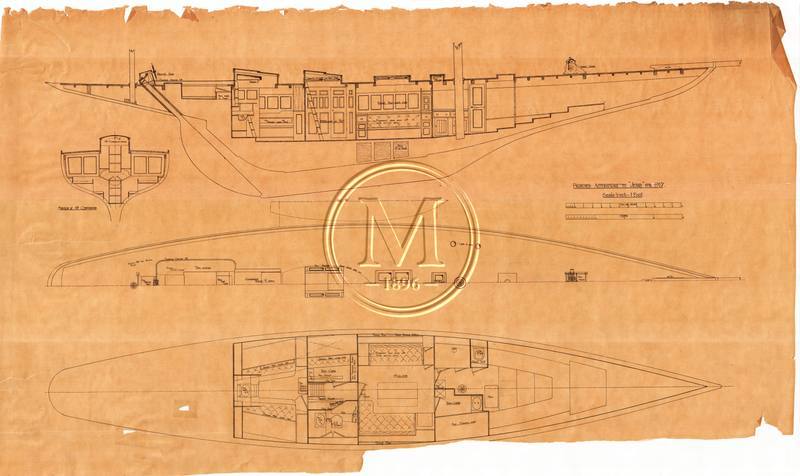
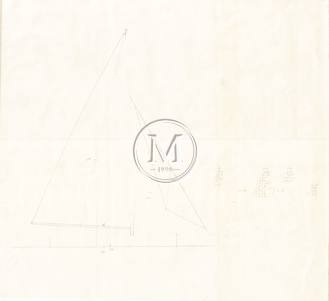
Sail Plan
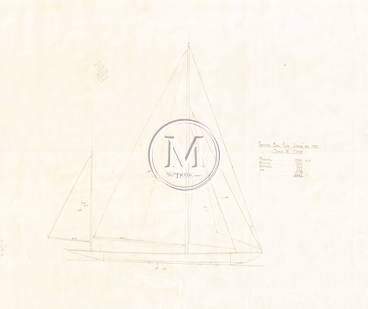
Sail Plan
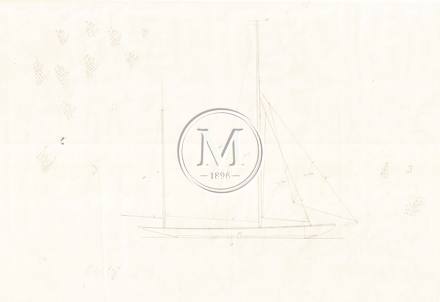
Sail Plan
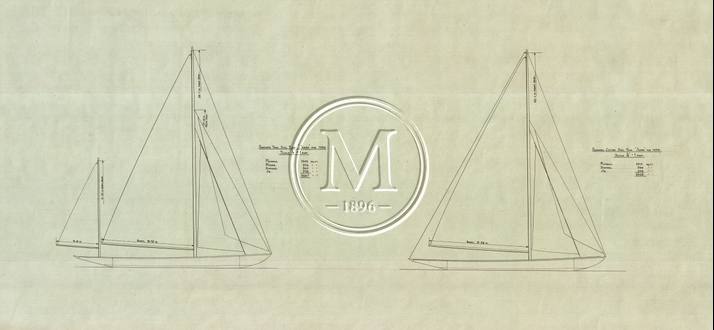
Sail Plan
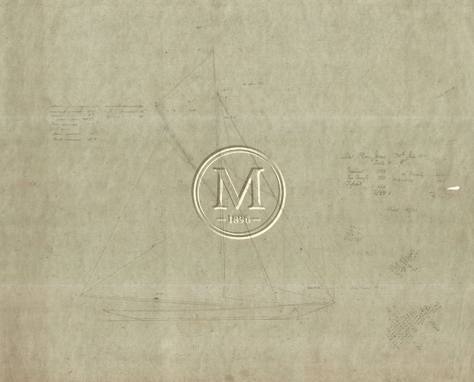
Sail Plan
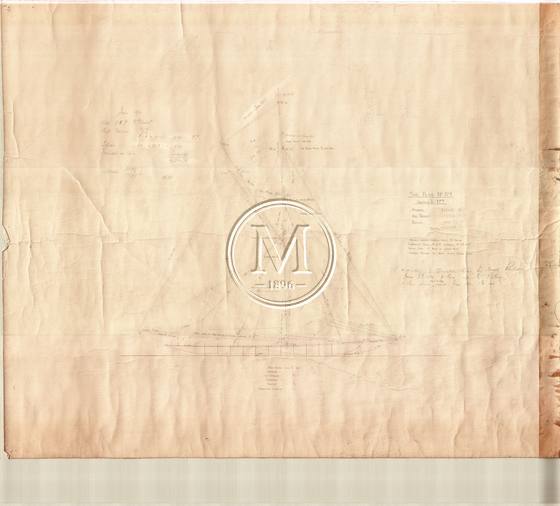
Sail Plan
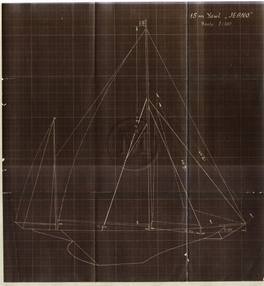
Misc
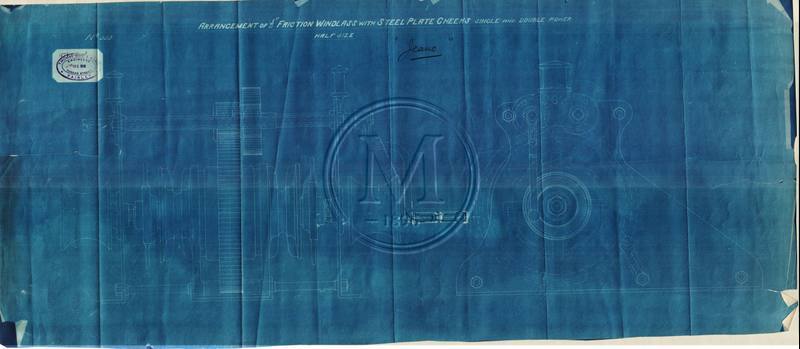
Misc
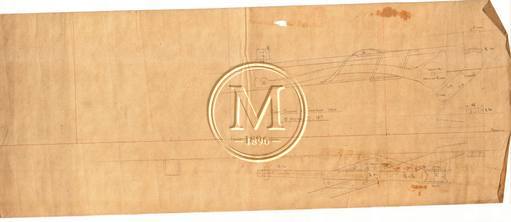
Misc
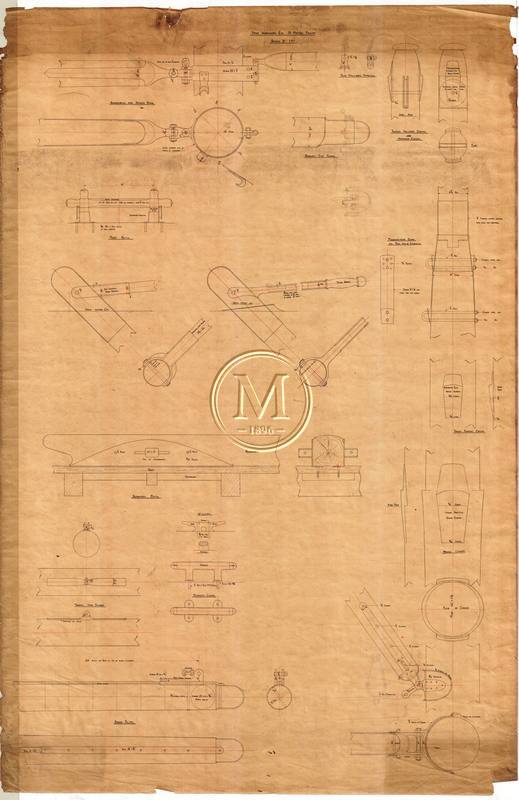
Misc
Misc
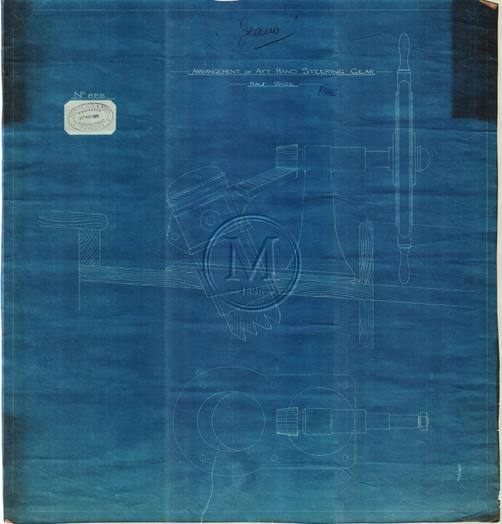
Misc
Misc
Misc
Dimensions
Yachts in the Register · 1
Builder
A. Robertson & Sons, Sandbank
Built Tritonia (1910)
[AI-generated] A. Robertson & Sons was a celebrated Scottish boatyard established in 1876 on Sandbank's Holy Loch shore, operating for 104 years until 1980. The yard became renowned for building early metre-class racing yachts and earned international prestige constructing two 12-metre America's Cup challengers—Sceptre (1958) and Sovereign (1964)—designed by David Boyd. Alfred Mylne's designs commenced there in 1900, including the Clyde class sloops Valmai and Susette, followed by five yachts for Edmund Nordheim. Over 482 vessels were built for clients ranging from wealthy Clyde racing enthusiasts to the Admiralty (23 Fairmile motor torpedo boats during World War II). Unable to compete with modern fibreglass production, the boatyard liquidated in 1980; the historic site was subsequently redeveloped into residential areas and Holy Loch Marina, though maritime operations continue under Leisure Ecosse ownership.
Historical Context
Alfred Mylne's design practice encompassed the period spanning the late nineteenth and early twentieth centuries, a significant era for yacht design innovation. The auxiliary cutter configuration—combining sailing rig with mechanical propulsion—represented an important development in practical cruising yacht design. This hybrid approach offered owners greater operational flexibility compared to purely sailing vessels. The survival of 40 original drawings for Design 177 indicates the design received serious development attention. Tritonia, constructed in 1910, demonstrates that designs from Mylne's office during this period were actively built and entered service. The gaps in available information regarding Design 177 suggest that not all office records have been preserved or catalogued.
A. Mylne & Co. · www.mylne.com/design-archive/designs/177-jeano/