A. Mylne & Co. · Design Archive
Design No. 85
Unnamed Design
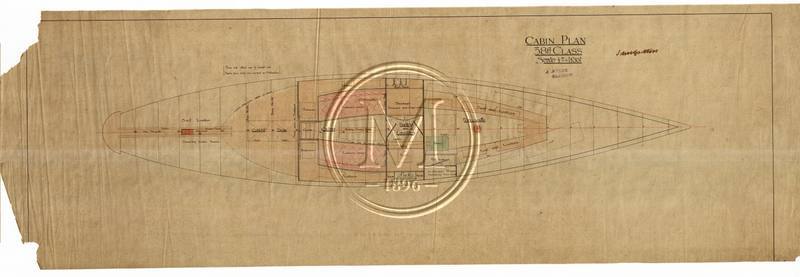
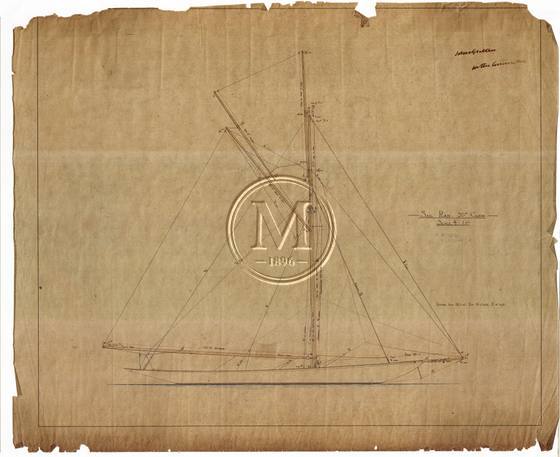
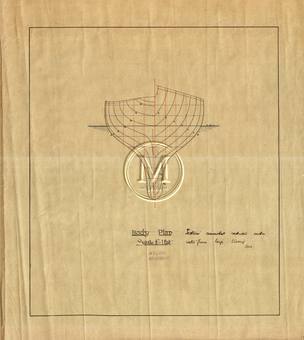
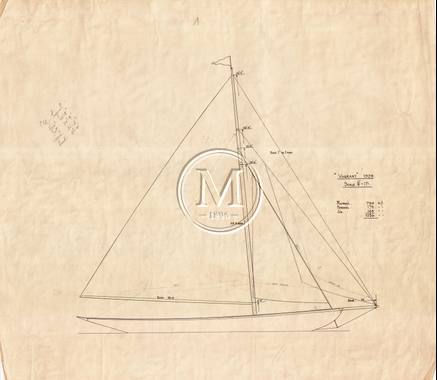
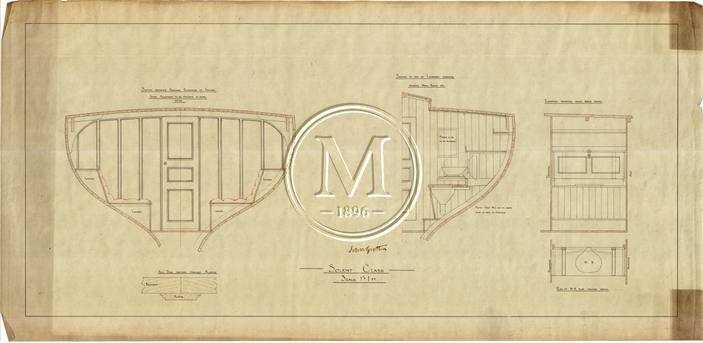
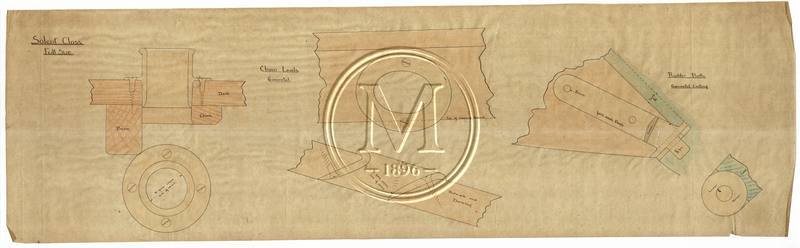
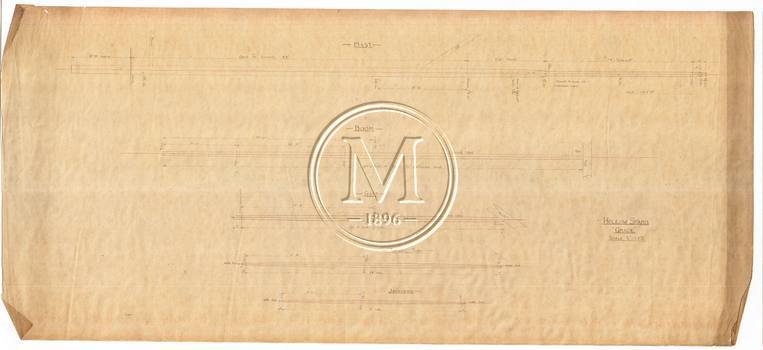
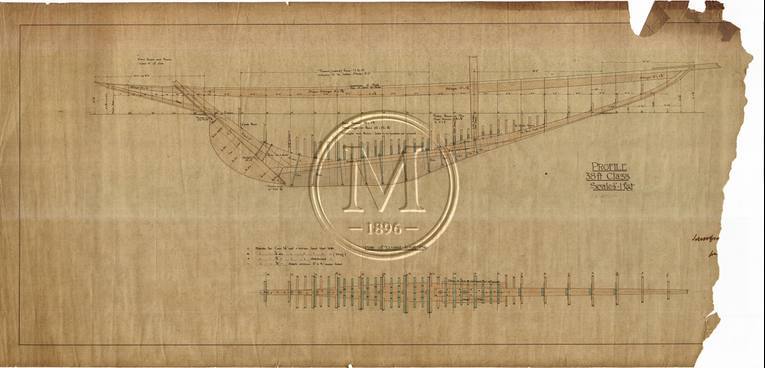
Design 85 represents a prolific design from Alfred Mylne's practice, with eight yachts constructed to this specification in 1903. The vessels built from this design were Heroine, Jean, Eilun, Harmony, Kelpie, Gracie, Caprice, and L'Amoureuse. The design archive contains 82 drawings relating to this design. Further details regarding the original specifications, rig configuration, and dimensions are not currently available in the archive records.
Original Drawings · 82 sheets
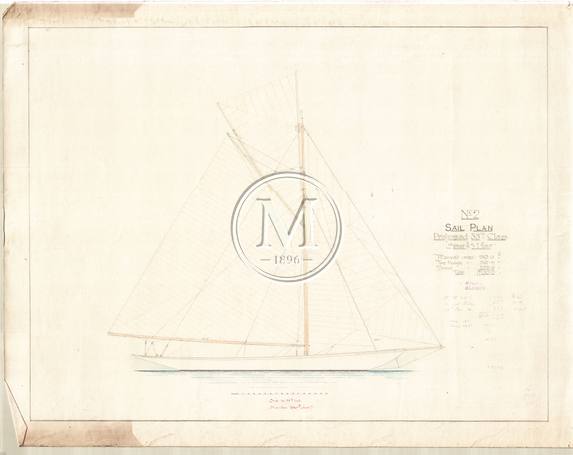
Sail Plan
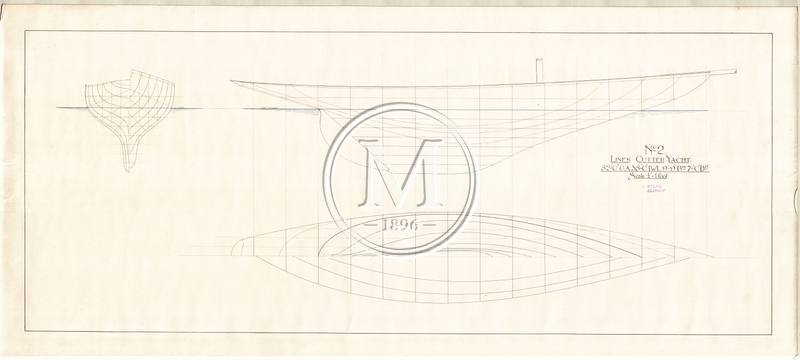
Lines Plan
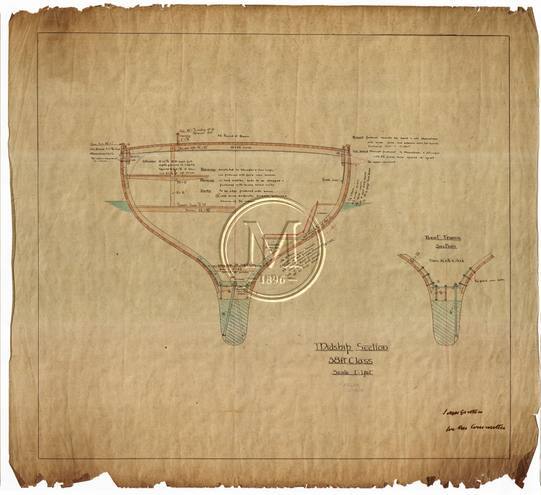
Structure
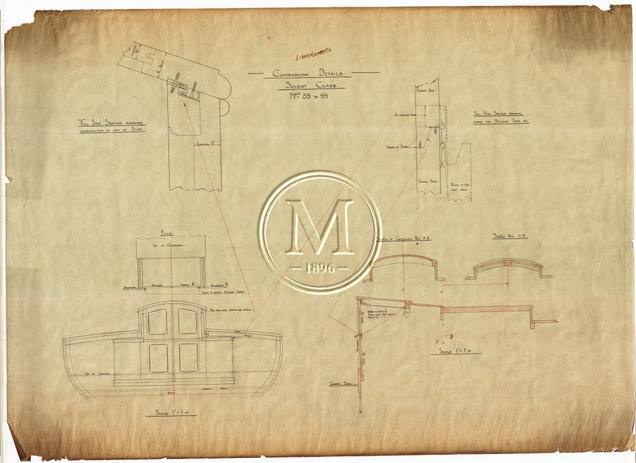
Misc
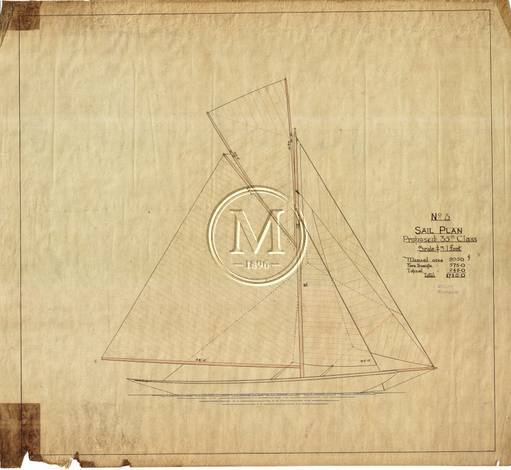
Sail Plan
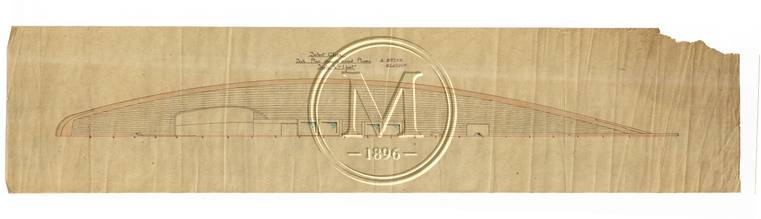
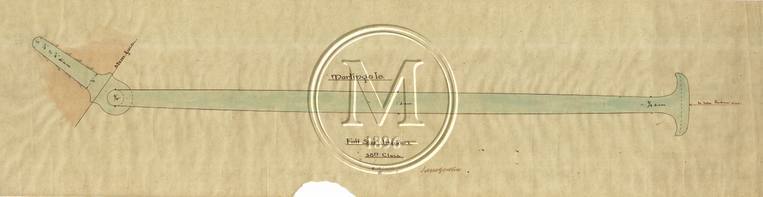
Misc
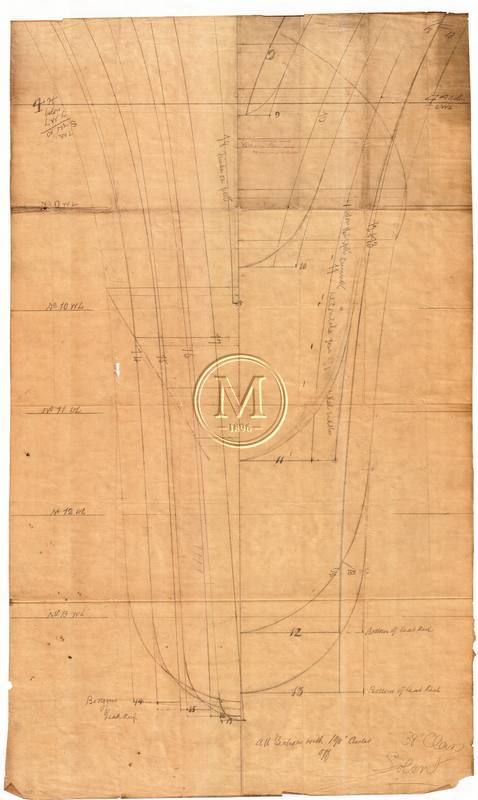
Lines Plan
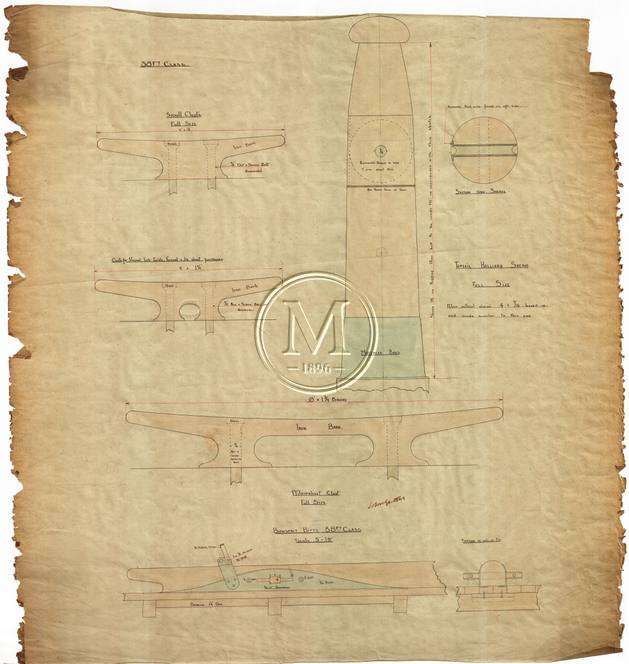
Misc
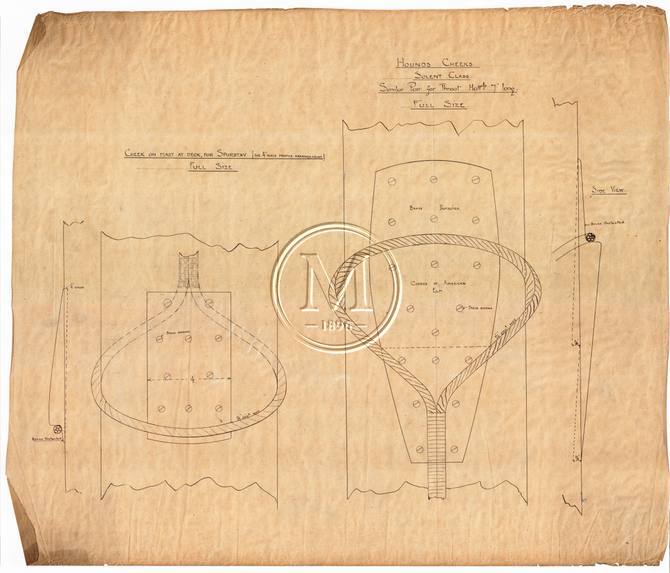
Misc
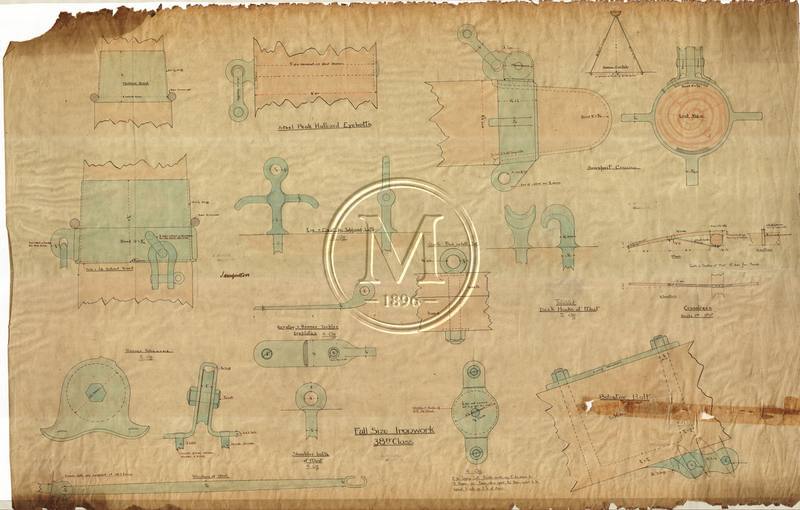
Misc
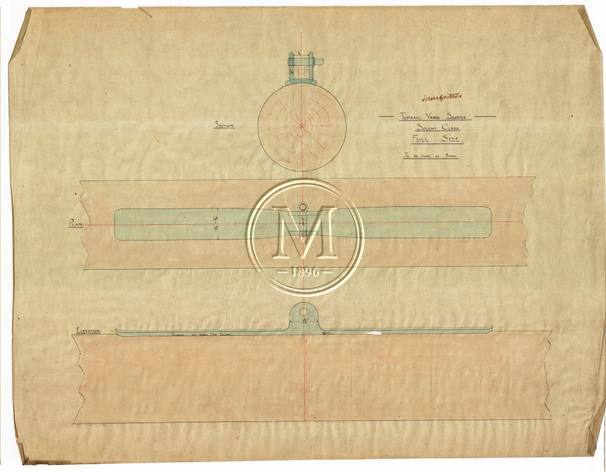
Misc
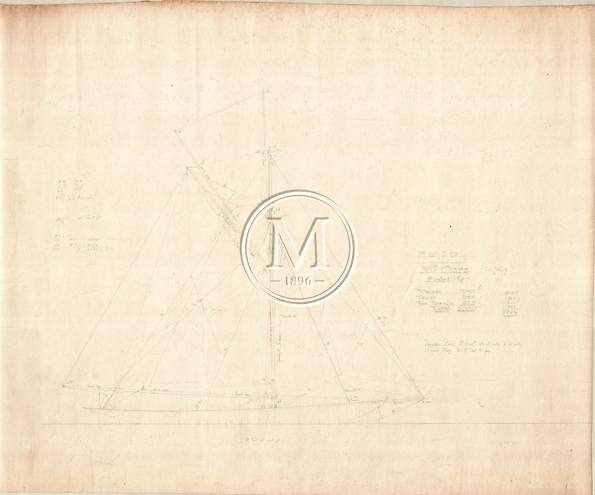
Sail Plan
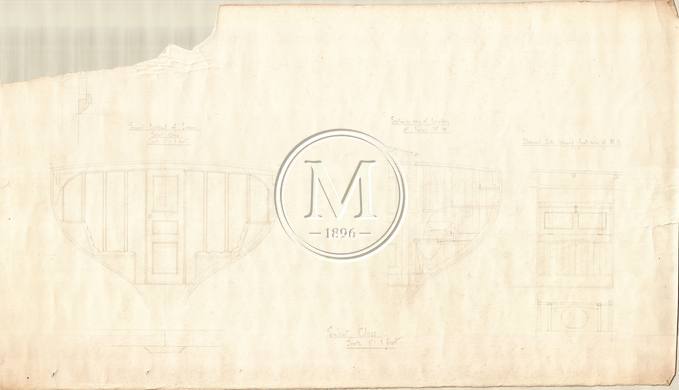
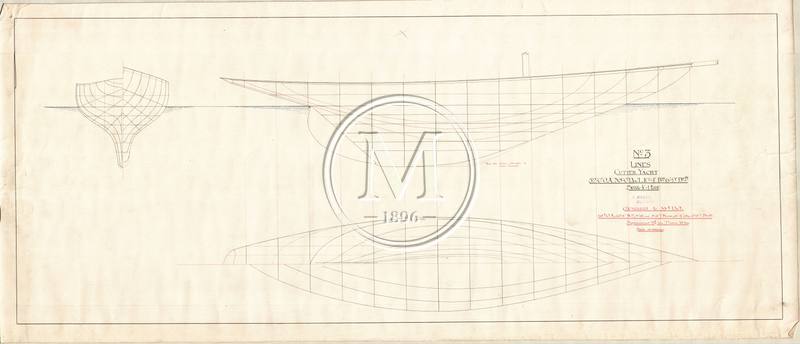
Lines Plan
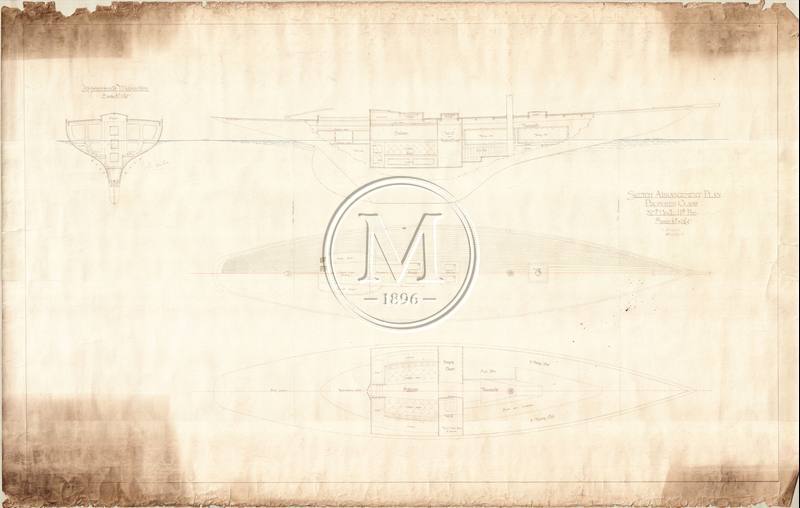
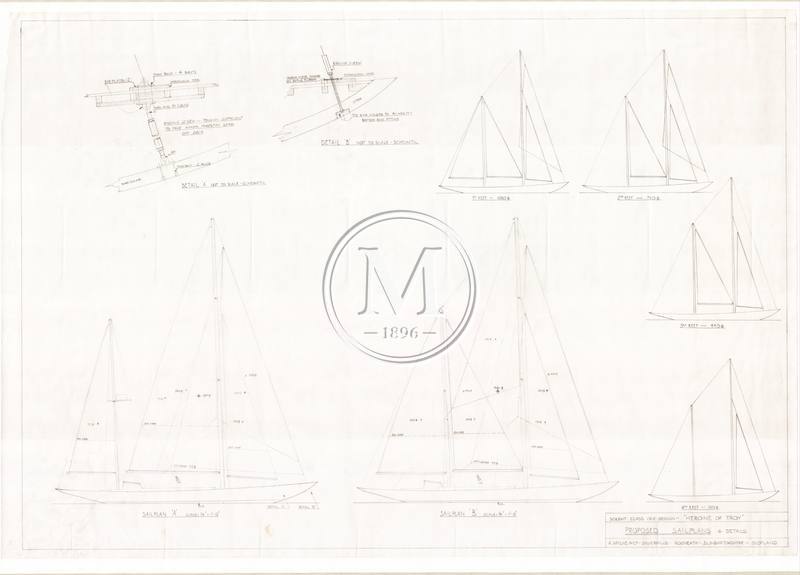
Sail Plan
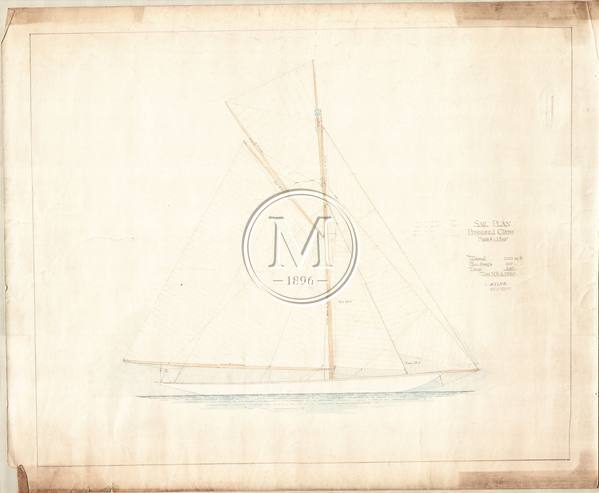
Sail Plan
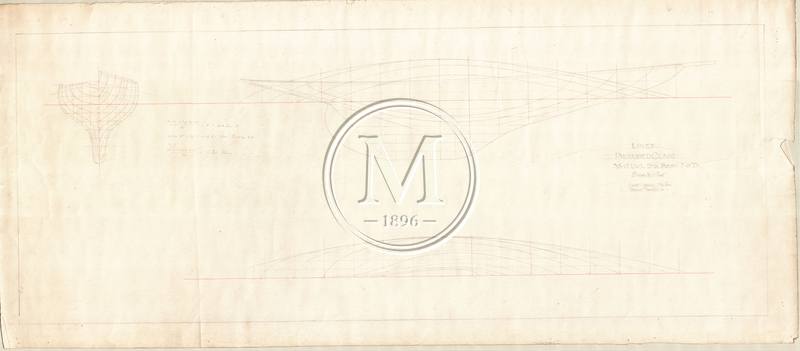
Lines Plan
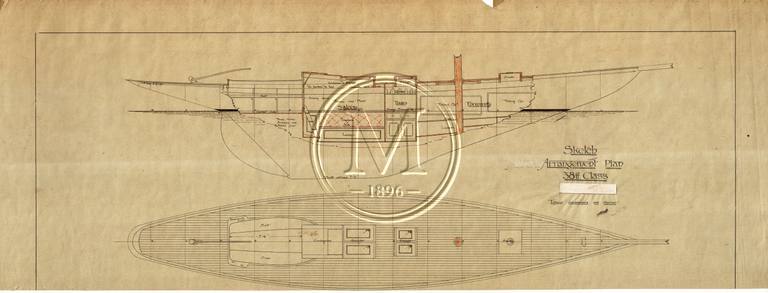
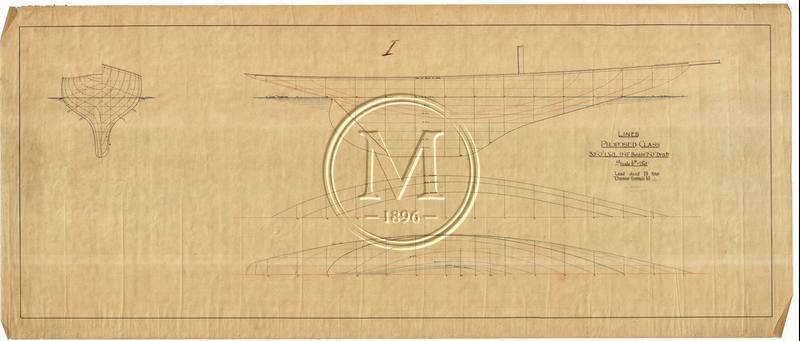
Lines Plan
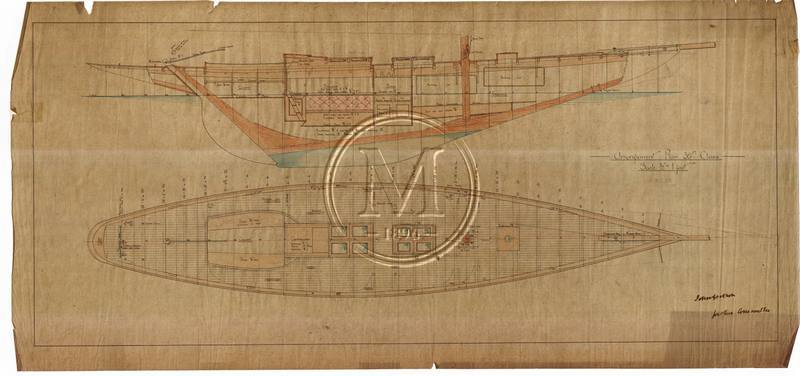
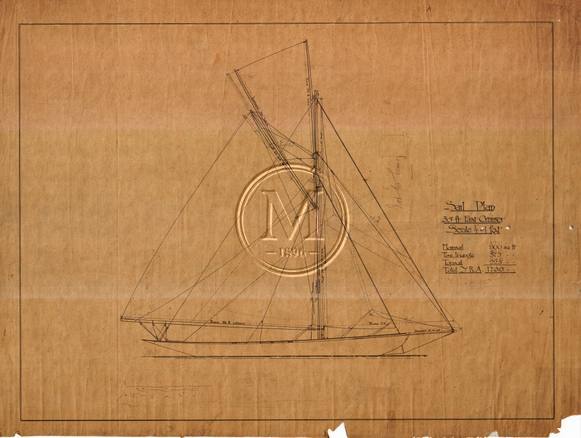
Sail Plan
Sail Plan
Lines Plan
Sail Plan
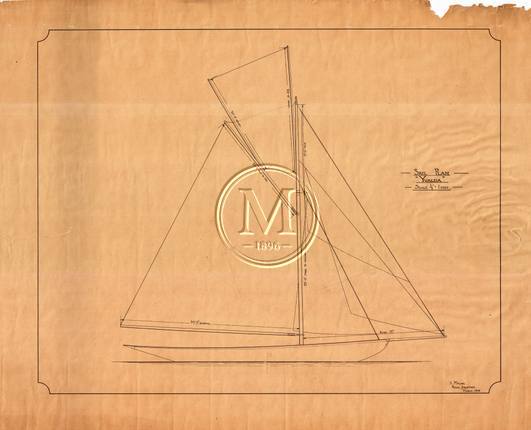
Sail Plan
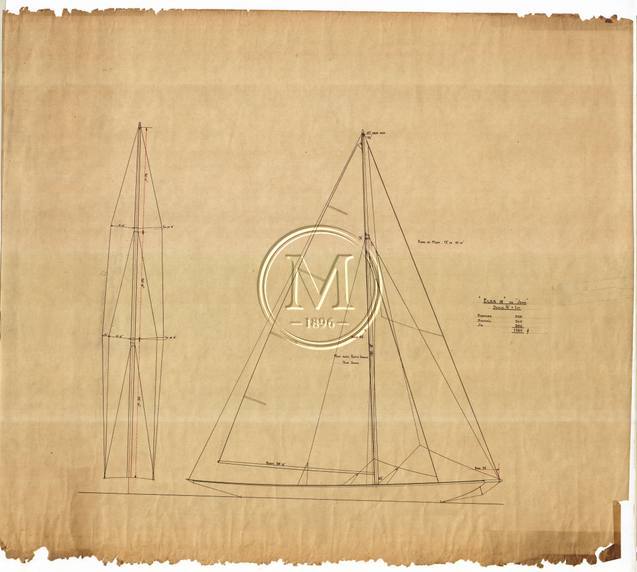
Sail Plan
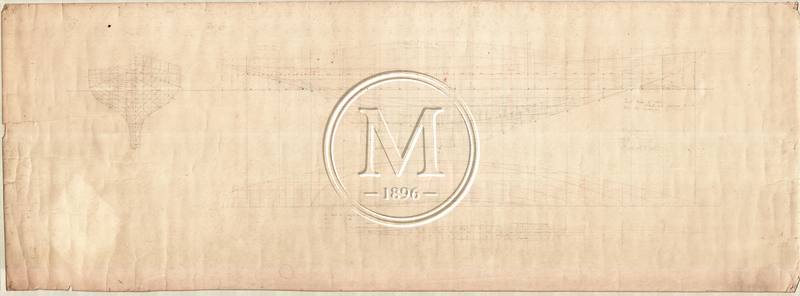
Lines Plan
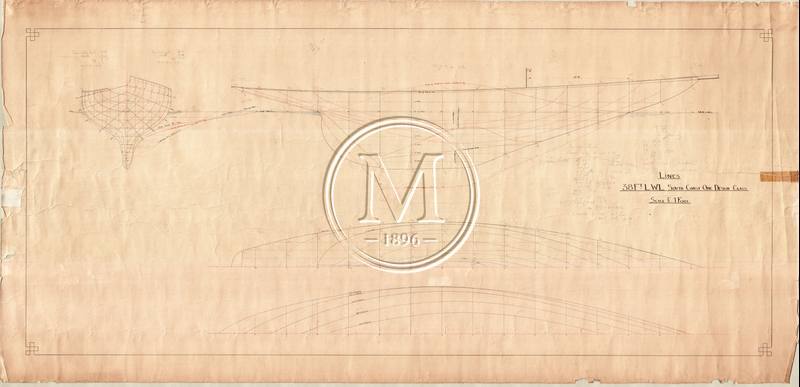
Lines Plan
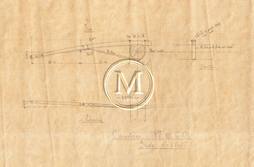
Misc
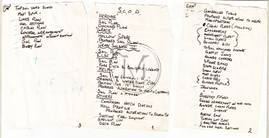
Misc
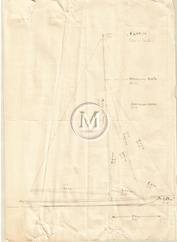
Sail Plan
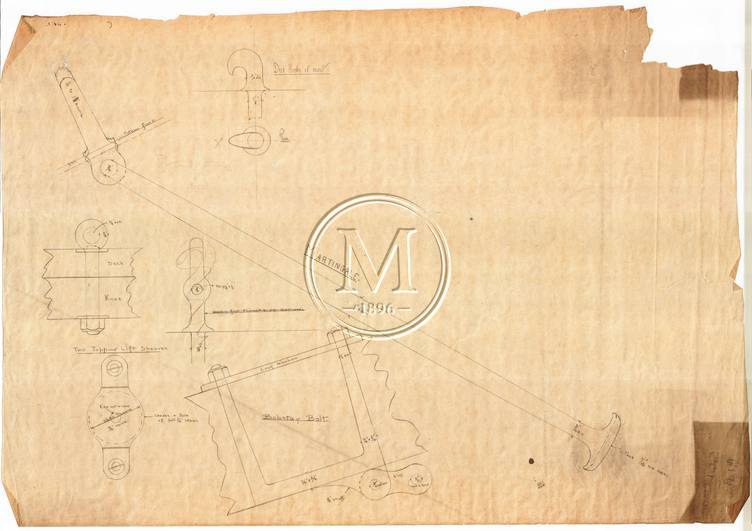
Misc
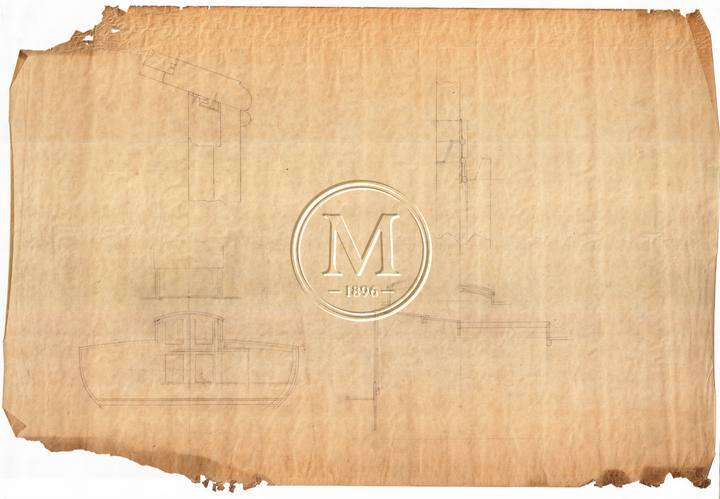
Misc
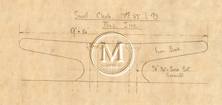
Misc
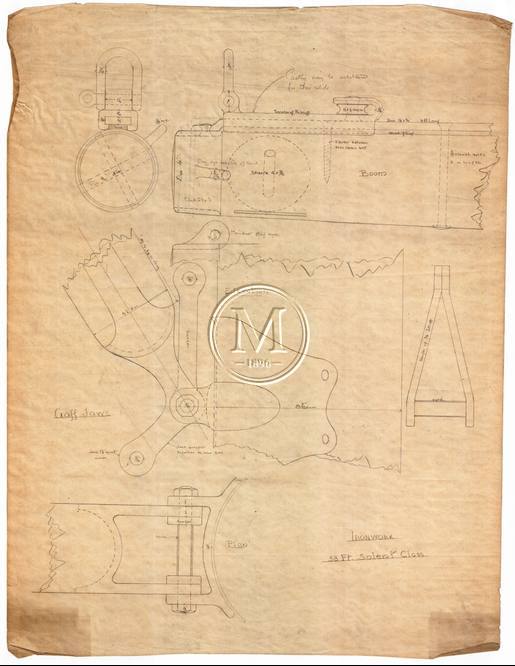
Misc
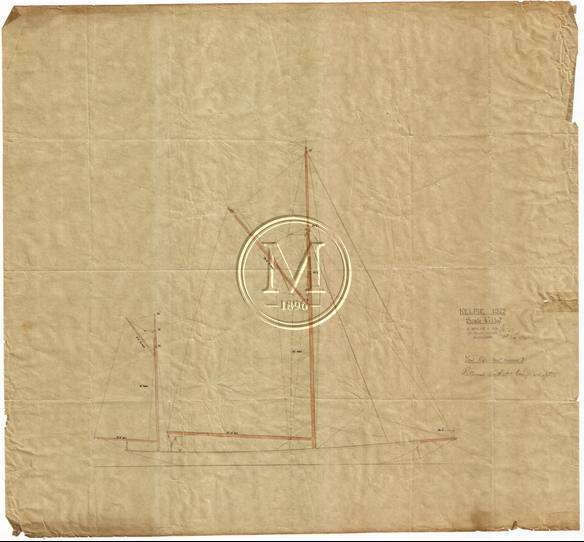
Sail Plan
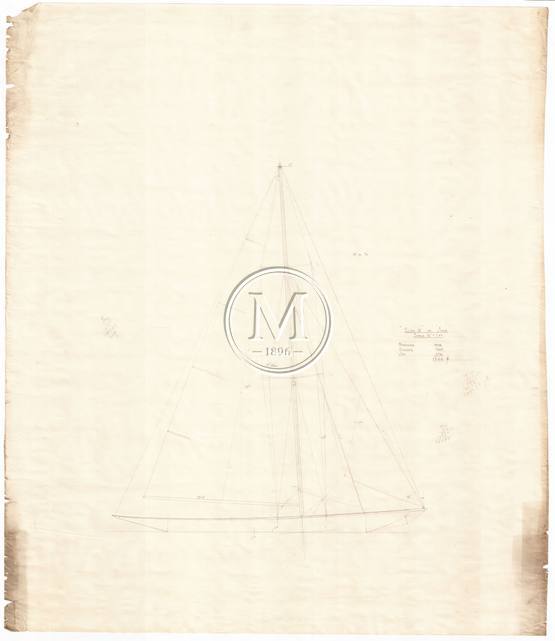
Sail Plan
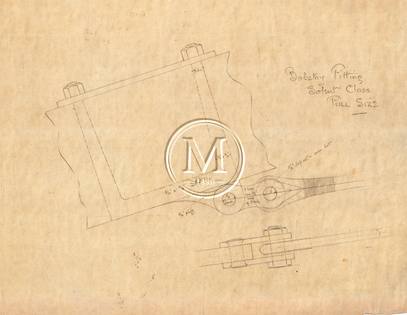
Misc
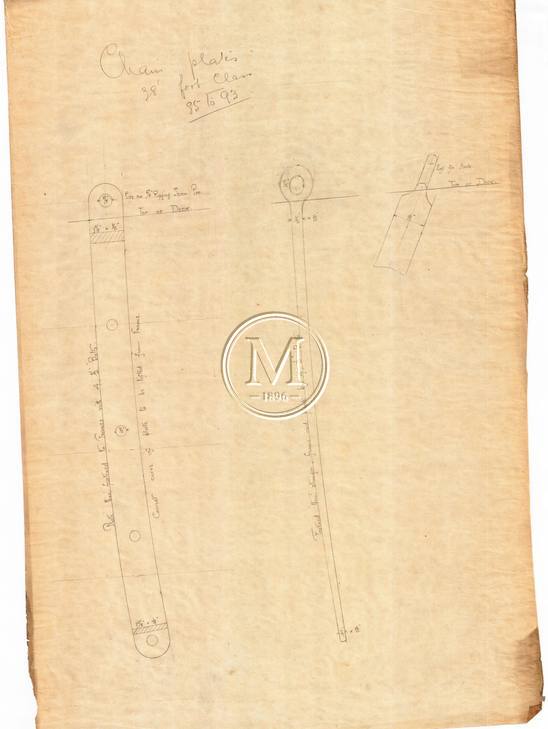
Misc
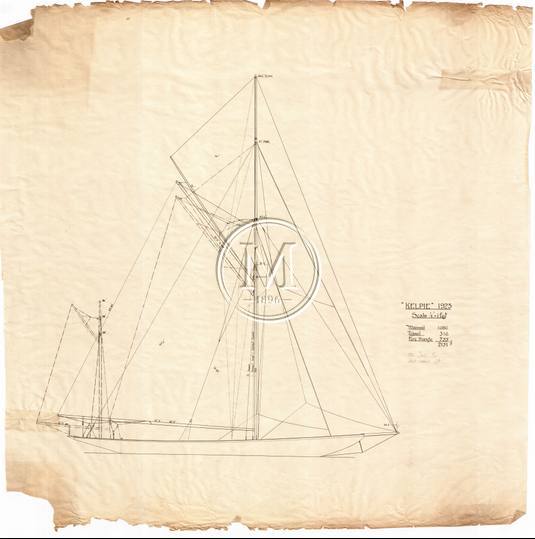
Misc
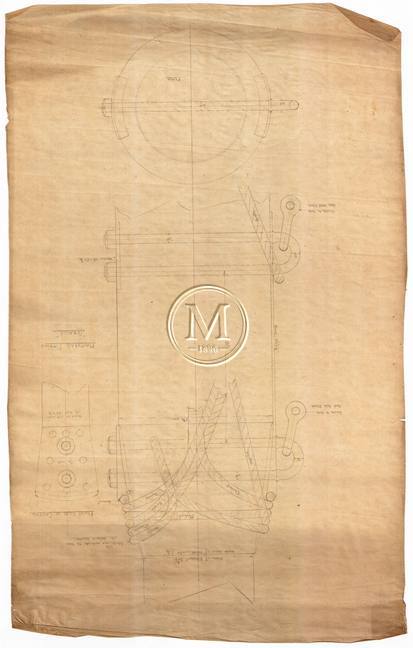
Misc
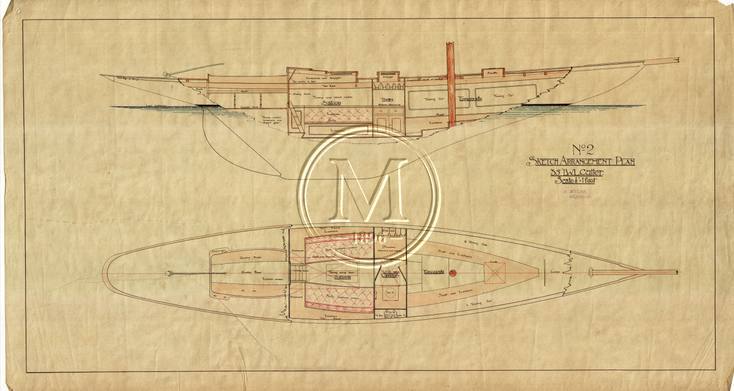
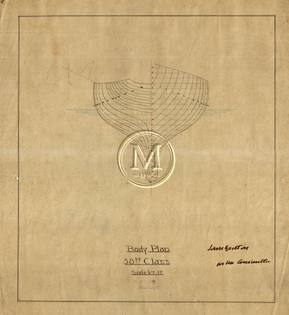
Lines Plan
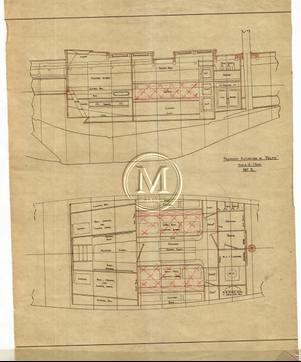
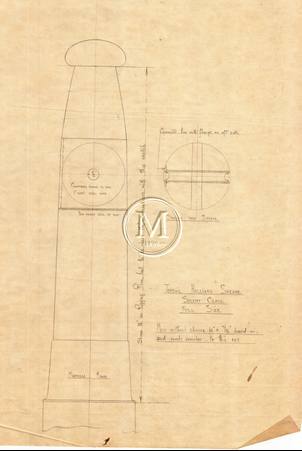
Misc
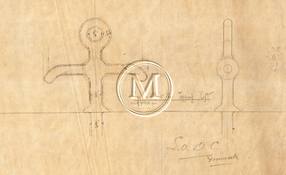
Misc
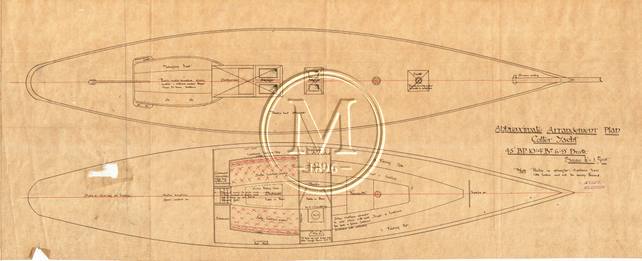
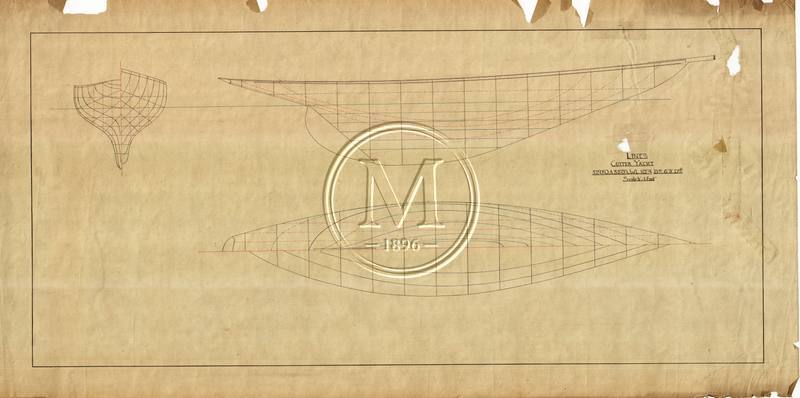
Lines Plan
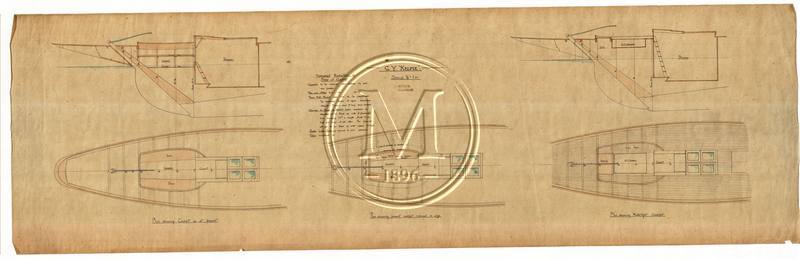
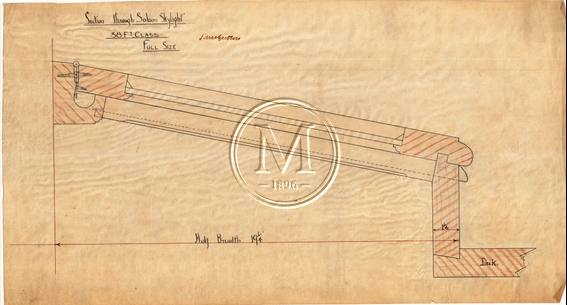
Misc
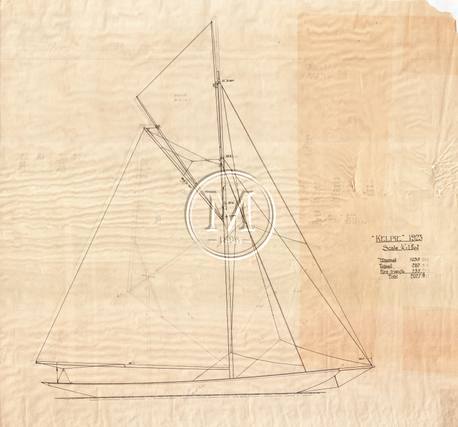
Sail Plan
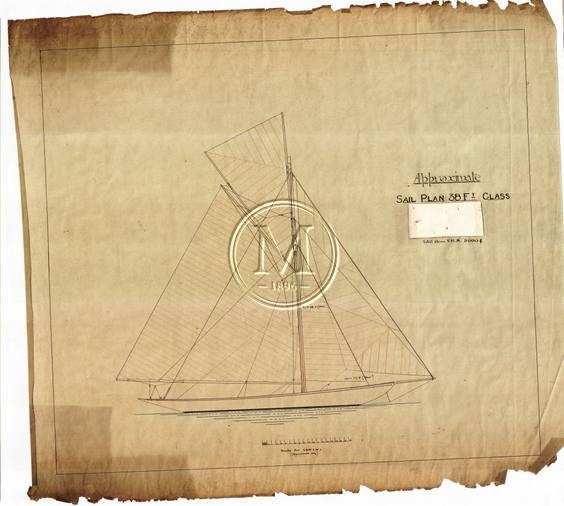
Sail Plan
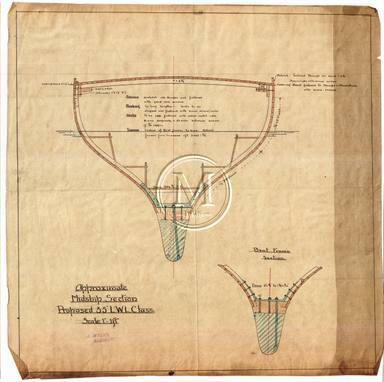
Structure
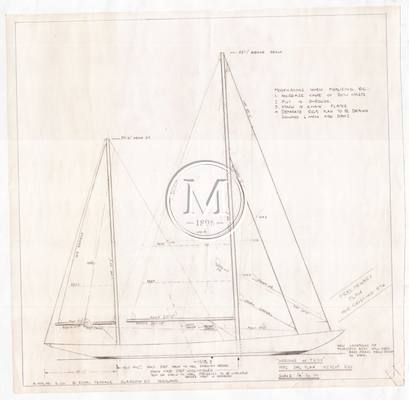
Sail Plan
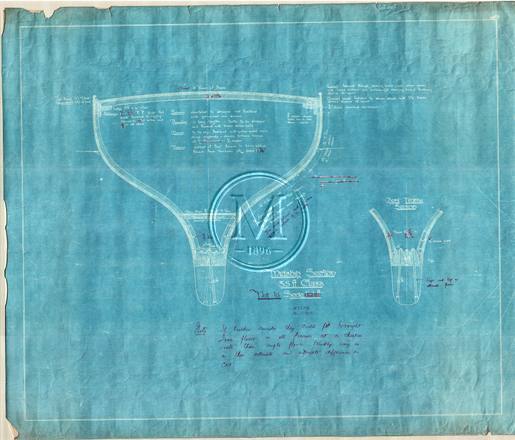
Structure
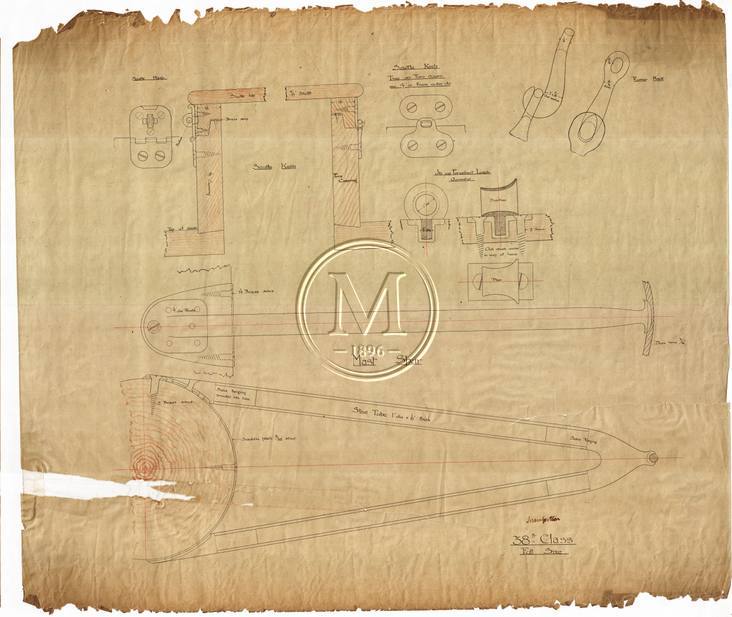
Misc
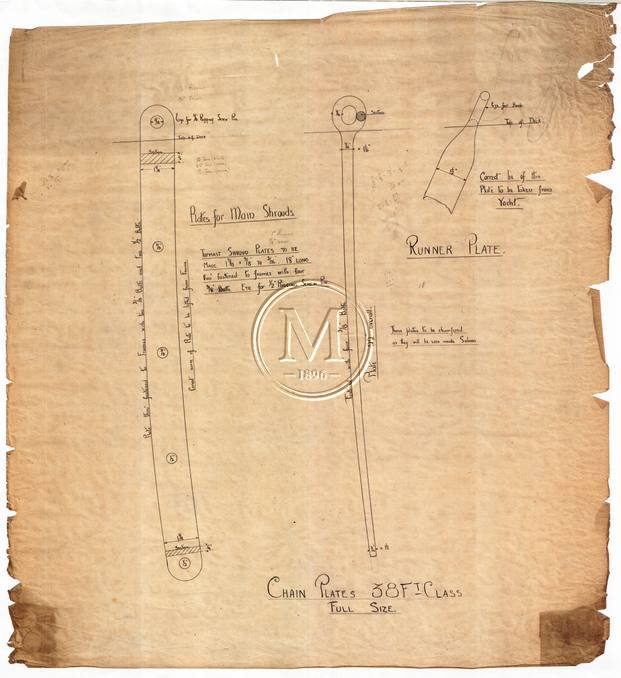
Misc
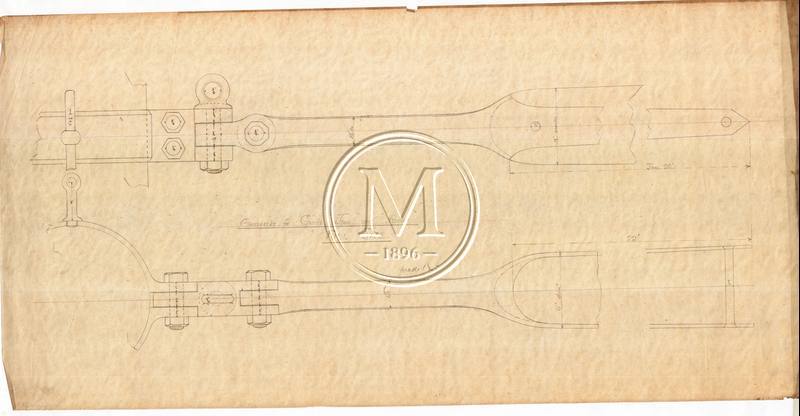
Misc
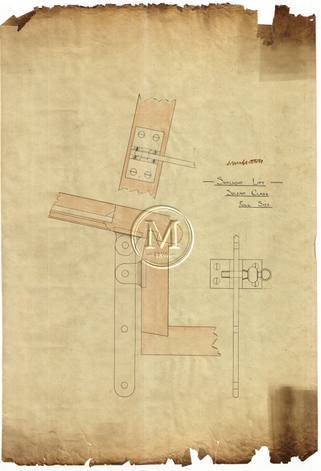
Misc
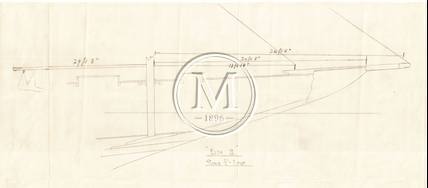
Misc
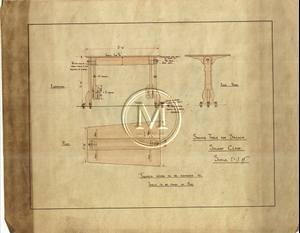
Misc
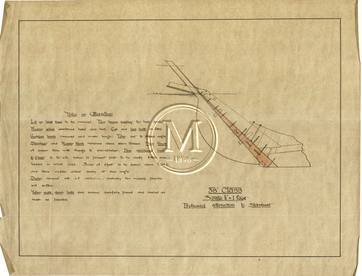
Misc
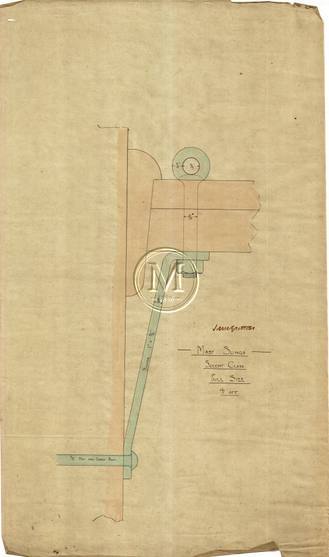
Misc
Misc
Misc
Structure
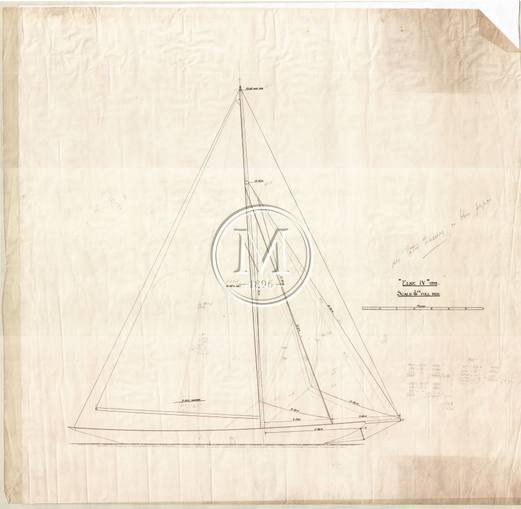
Sail Plan
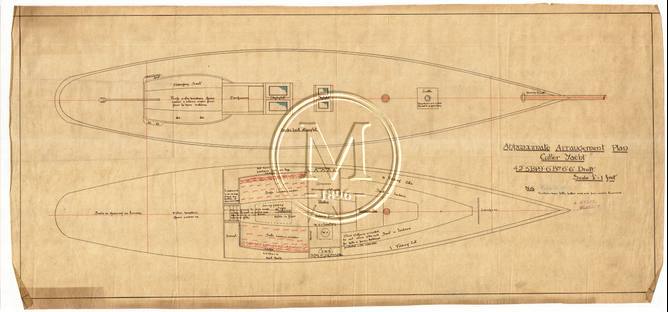
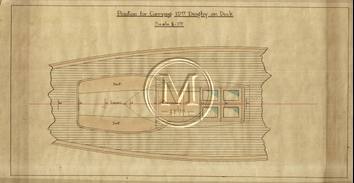
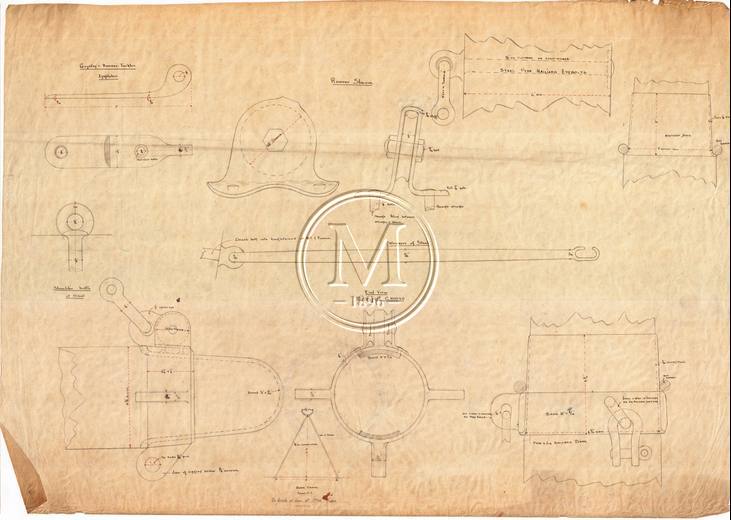
Misc
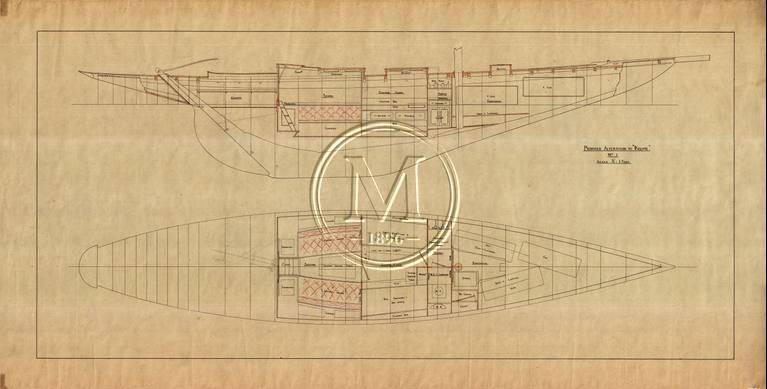
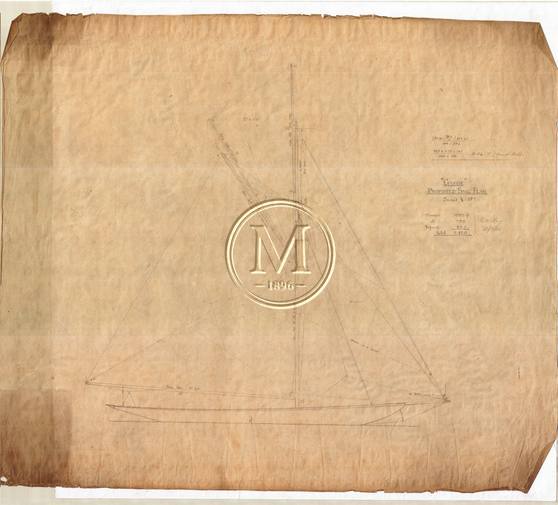
Sail Plan
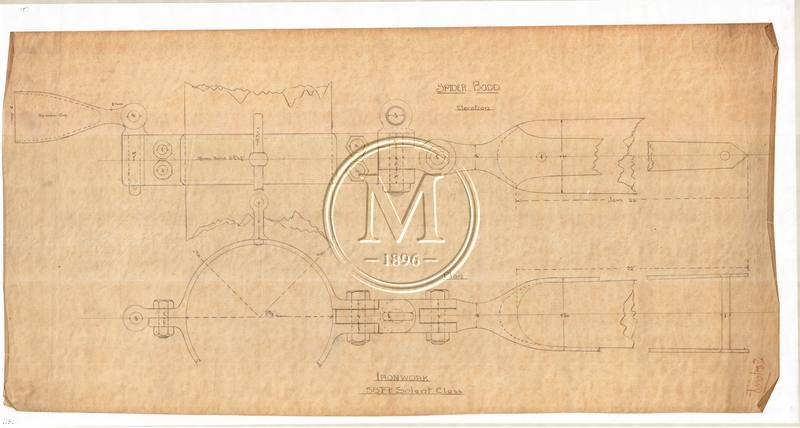
Lines Plan
Misc
Misc
Misc
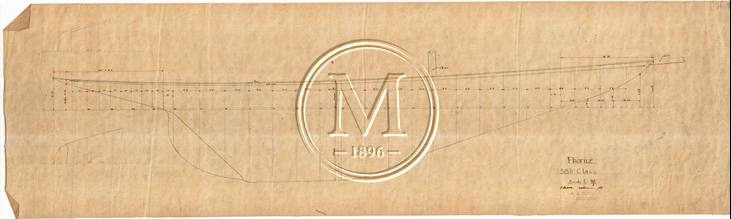
Misc
Dimensions
Yachts in the Register · 8
Builders · 3
Forrestt & Co., Wivenhoe
Built Heroine (1903), Gracie (1903), Jean (1903), L'Amoureuse (1903)
Forrestt & Co. [Enrichment] Forrestt & Co. were boatbuilders at Wivenhoe on the River Colne, Essex, building sailing yachts and carrying out repairs for East Coast owners.
J.G.Fay & Co, Southampton
Built Kelpie (1903), Caprice (1903)
J.G.Fay & Co [Enrichment] J. G. Fay & Co were shipbuilders and repairers at Southampton, active in the late 19th and early 20th centuries, building small to medium sailing vessels.
Stone Brothers, Brightlingsea
Built Eilun (1903), Harmony (1903)
Stone Brothers [Enrichment] Stone Brothers were boatbuilders at Brightlingsea on the Essex coast, building and repairing Colne and Thames estuary sailing yachts in the early 1900s.
Historical Context
The year 1903 occupied a distinctive moment in British yacht design and construction. The Edwardian period witnessed sustained interest in offshore and cruising yachts among private owners, and Mylne's practice benefited from this demand. The multiplication of a single design across eight separate builds suggests either a particularly successful formula or the presence of a specific market requirement that the design addressed. The names assigned to the eight yachts—predominantly Scottish or romantic appellations—reflect naming conventions common among yacht owners of the period. Without access to builder records or original correspondence, the circumstances of this design's distribution and the relationships between the various owners remain undocumented.
A. Mylne & Co. · www.mylne.com/design-archive/designs/85-unnamed/